Stereo photographs (1) - USA
In October last year (2025) a friend from Maine, knowing that I have a modest collection of old stereo photographs, gave me a generous pile of 57 of these cards. This more than doubled the number I already owned. It prompted me to write this new Blog, and show some beautiful examples. I have selected scenes of places where I have been myself, and I have tried to match them with pictures I took there myself.
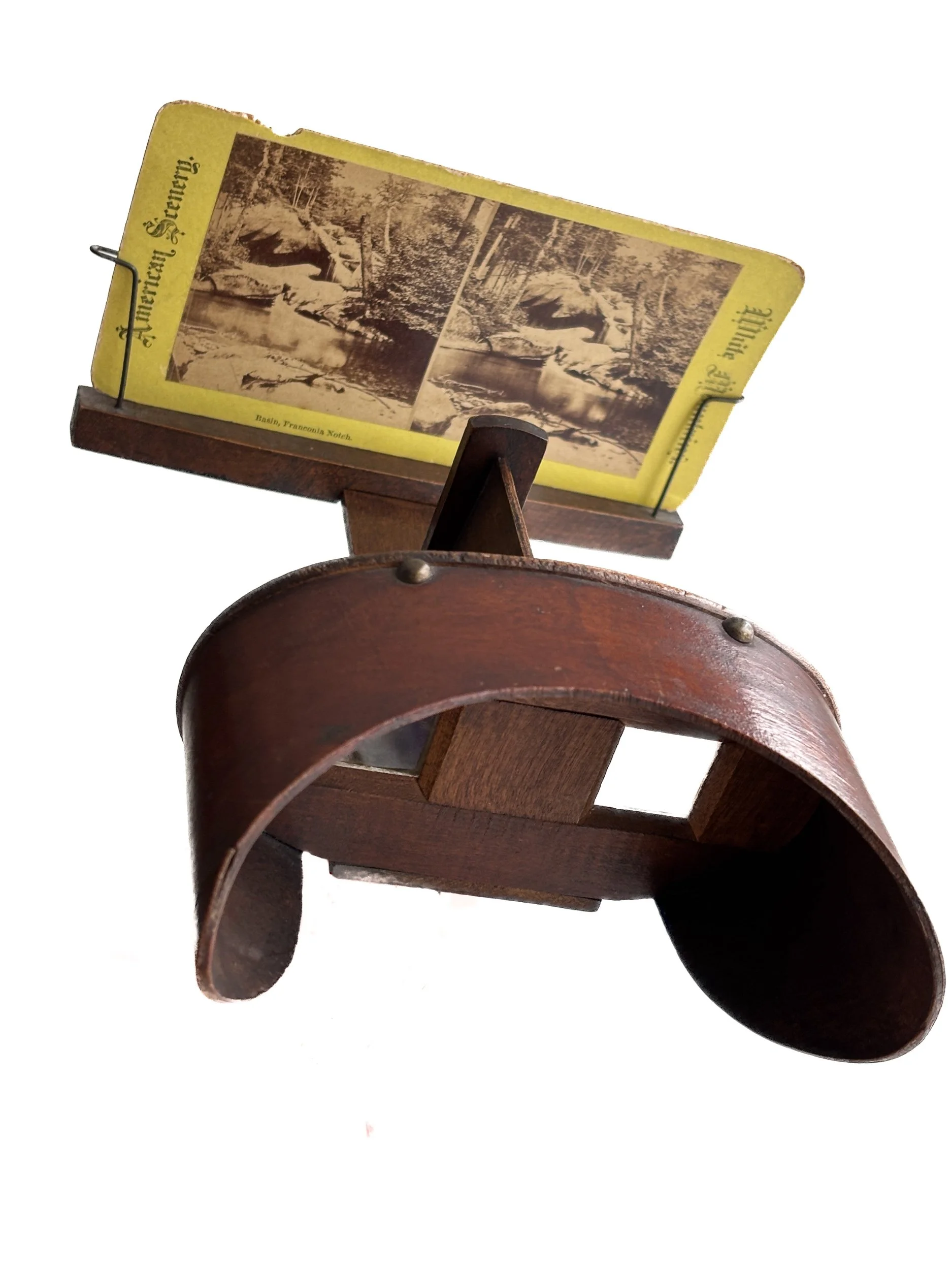
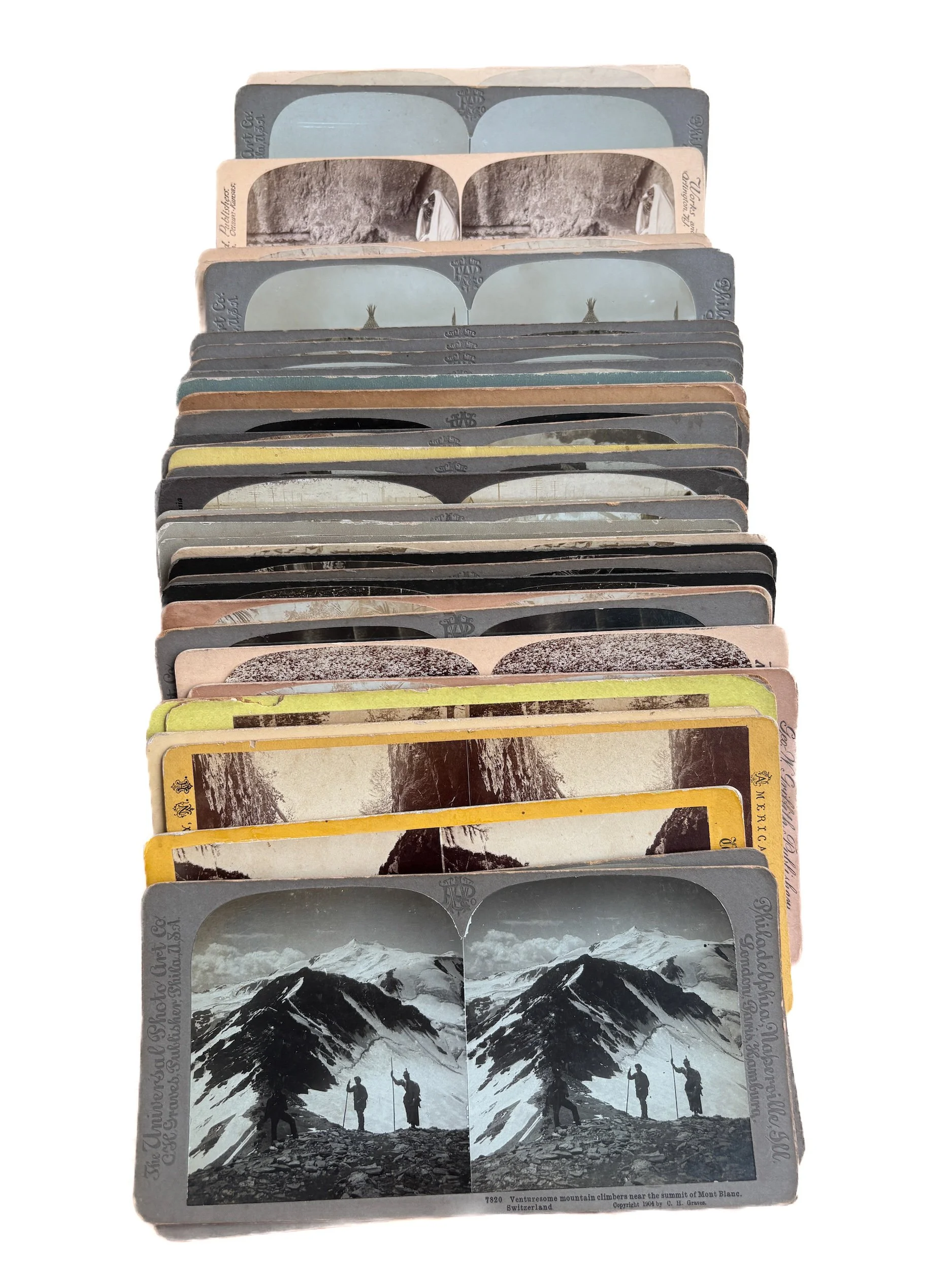
These so-called Holmes stereo cards were very popular starting in the 1860s when Oliver Wendell Holmes invented the viewer. Of course, there were many other types of stereo photography, including the famous View-Master stereoscope and its circular reels. I will cover those in a later Blog. Also, I will limit this first Blog to American scenes. The Alps and other European places will follow later.
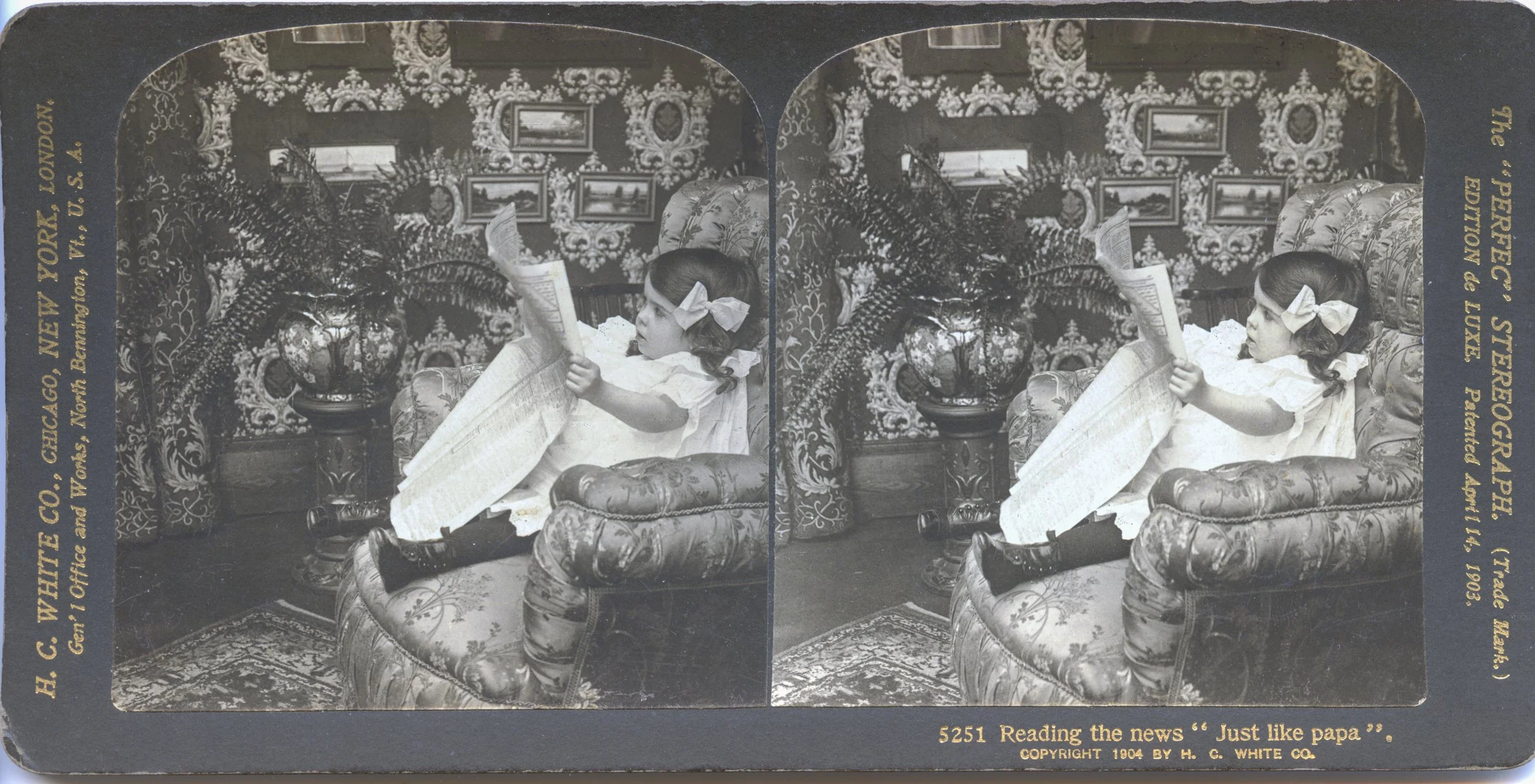
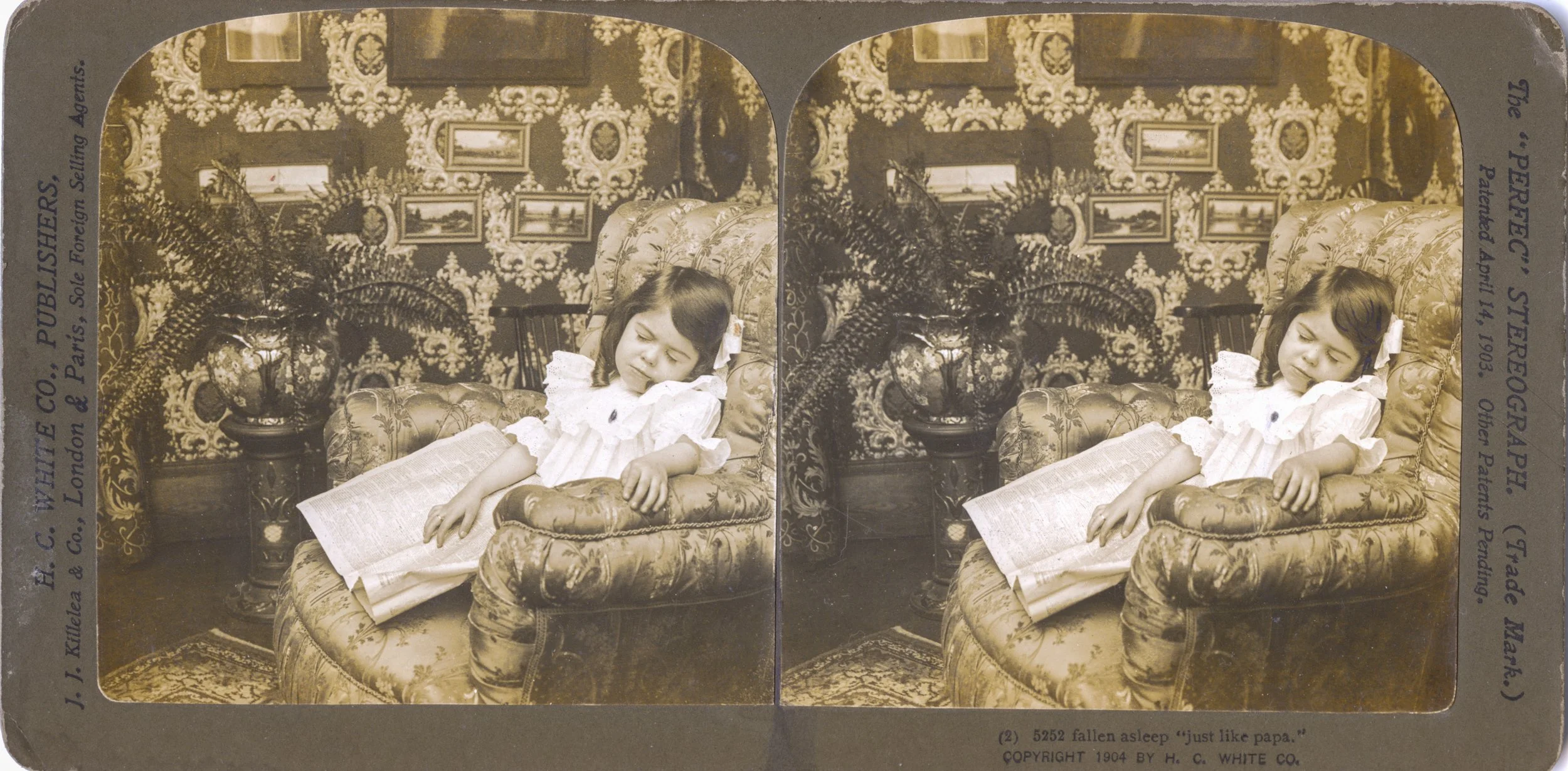
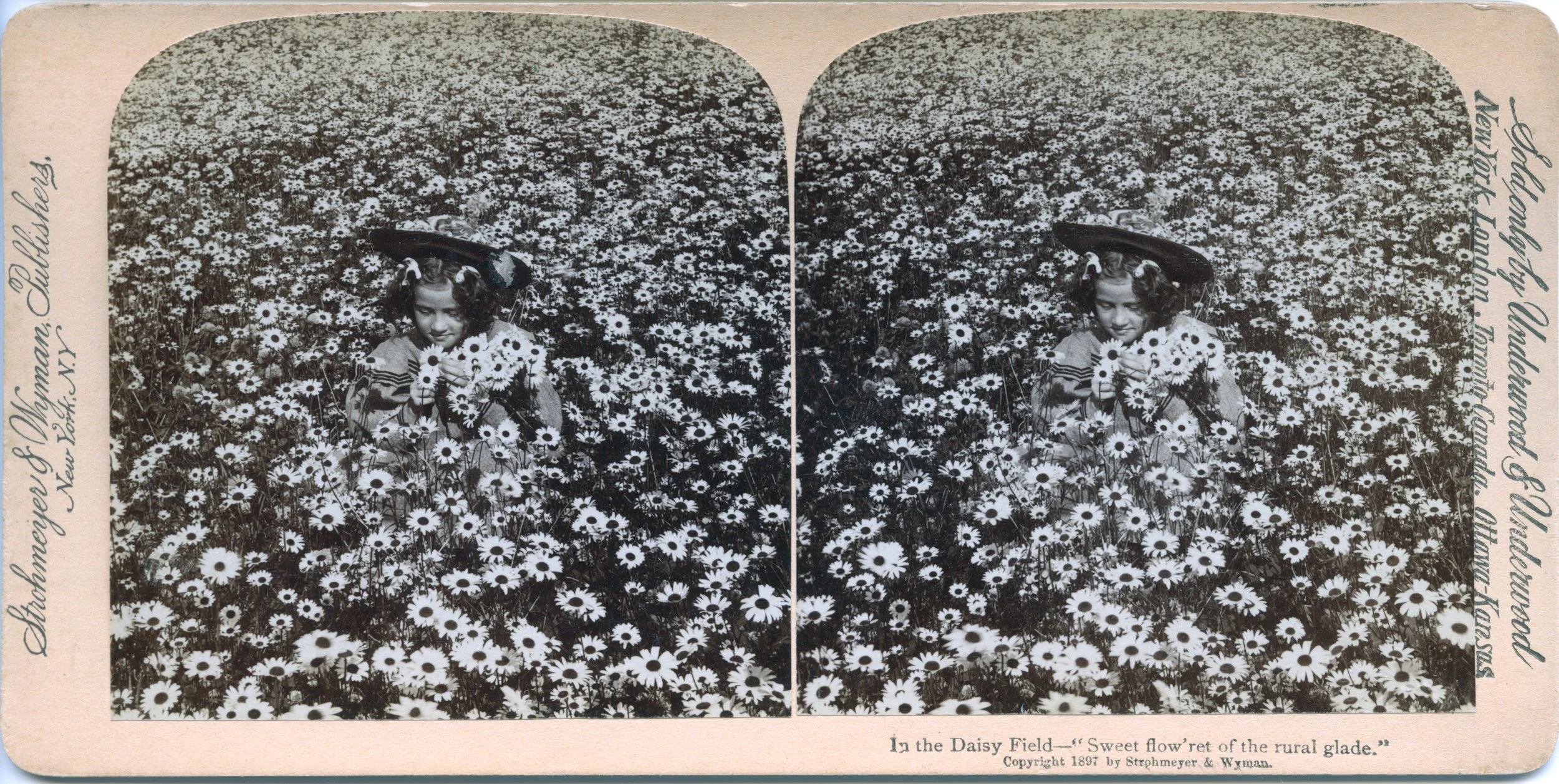
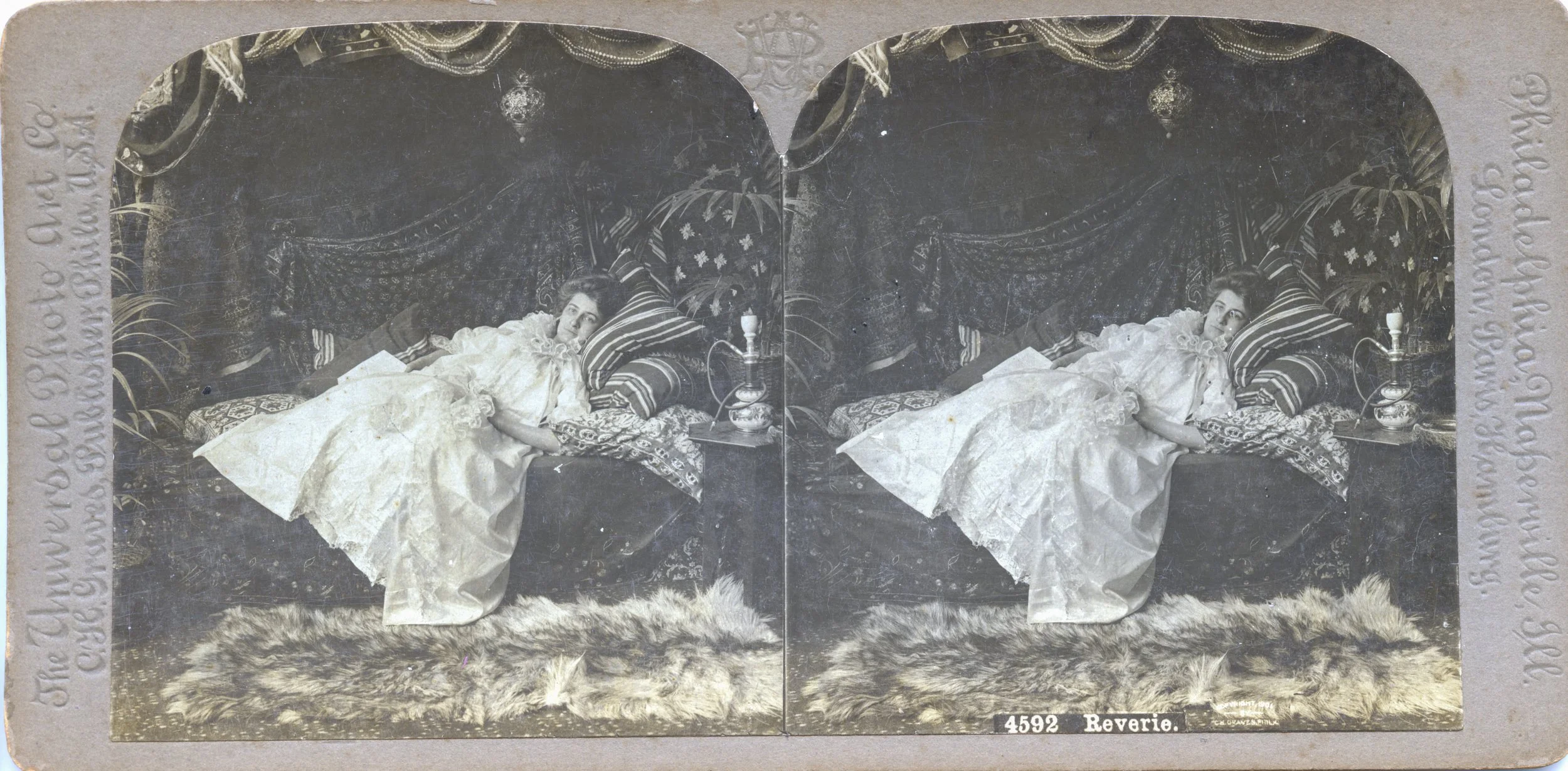
First I want to show a series of wonderfully staged portraits. The stereo effect on these pictures is especially prominent, drawing the viewer into these fantasy worlds.
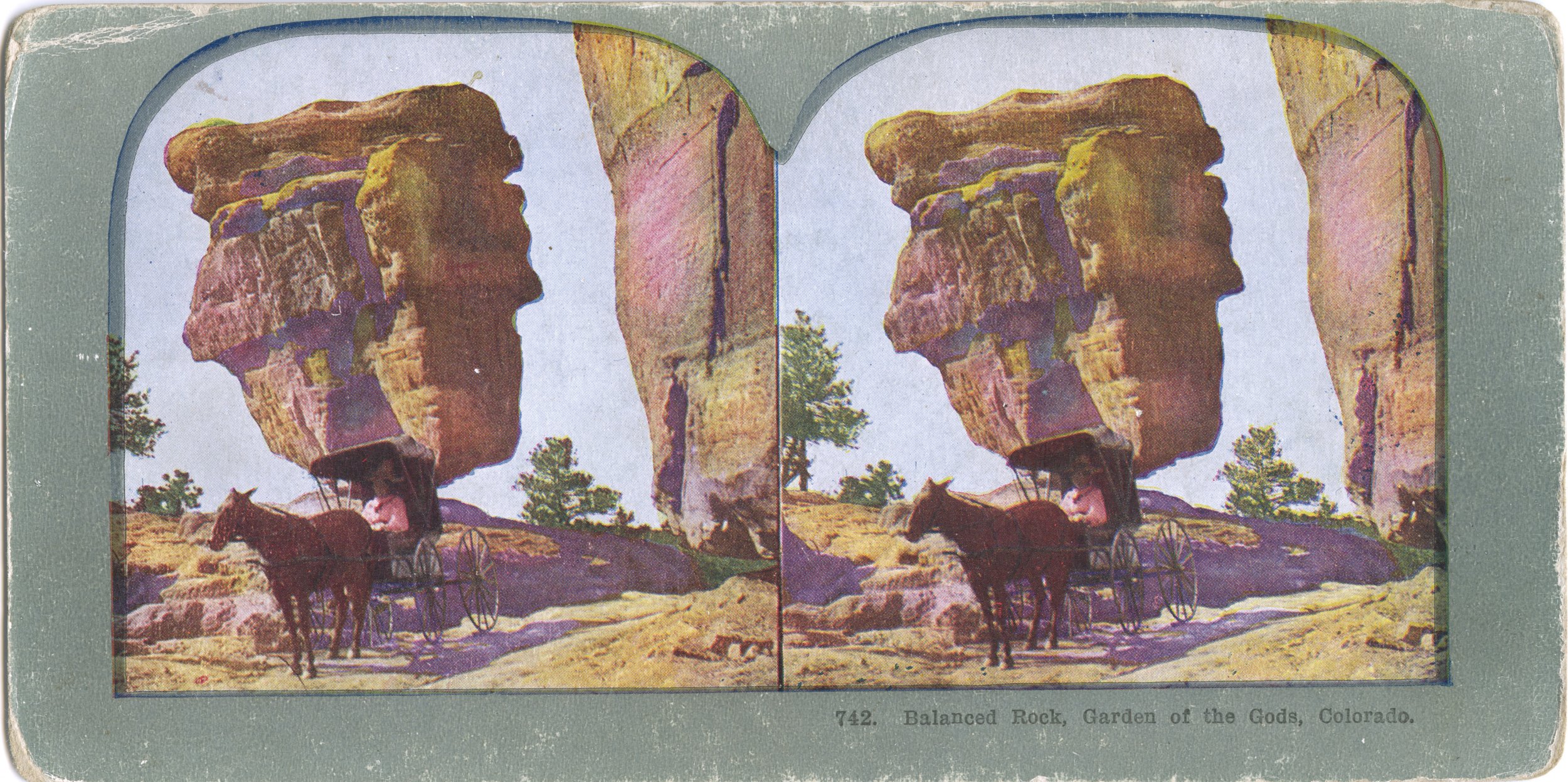
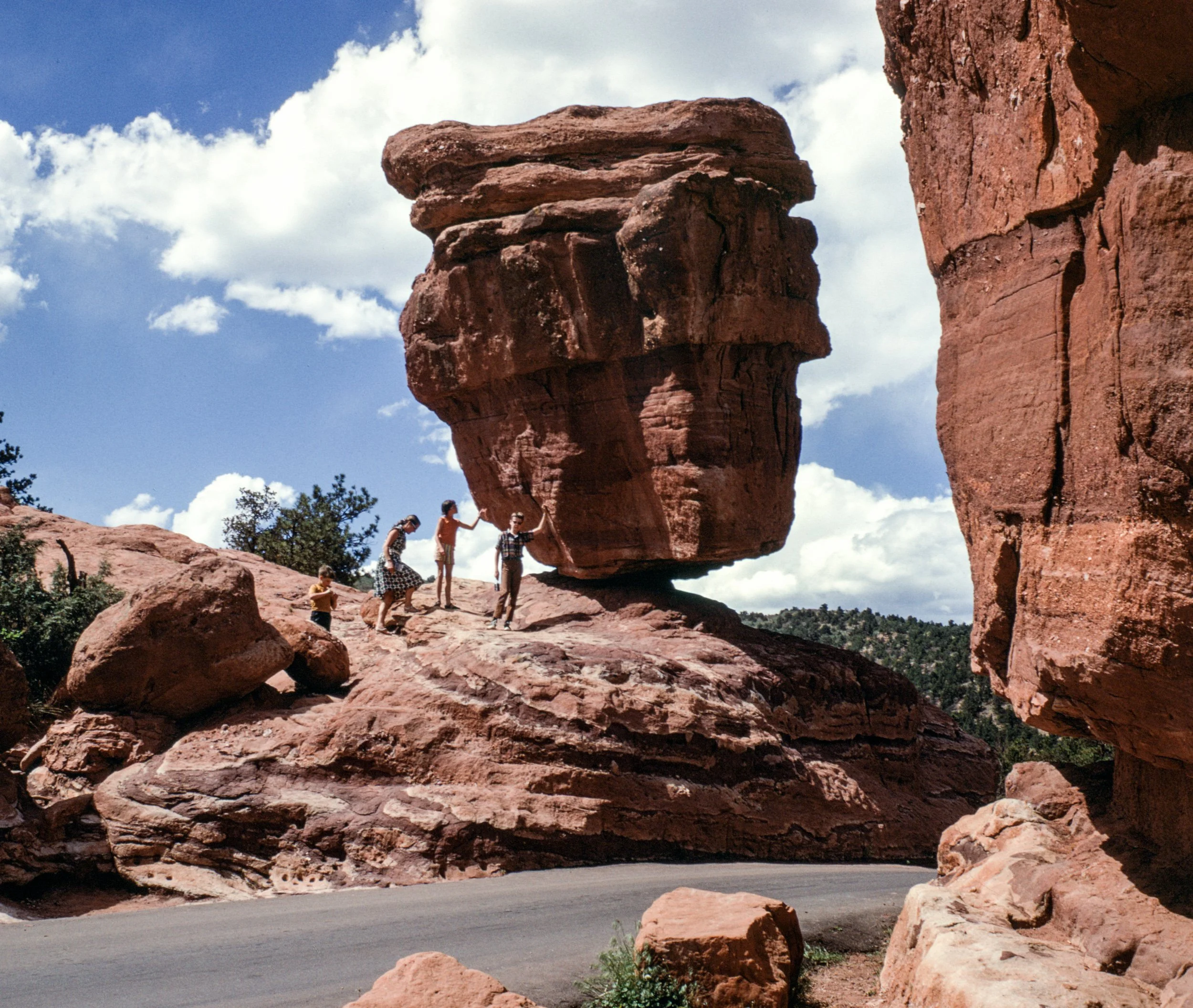
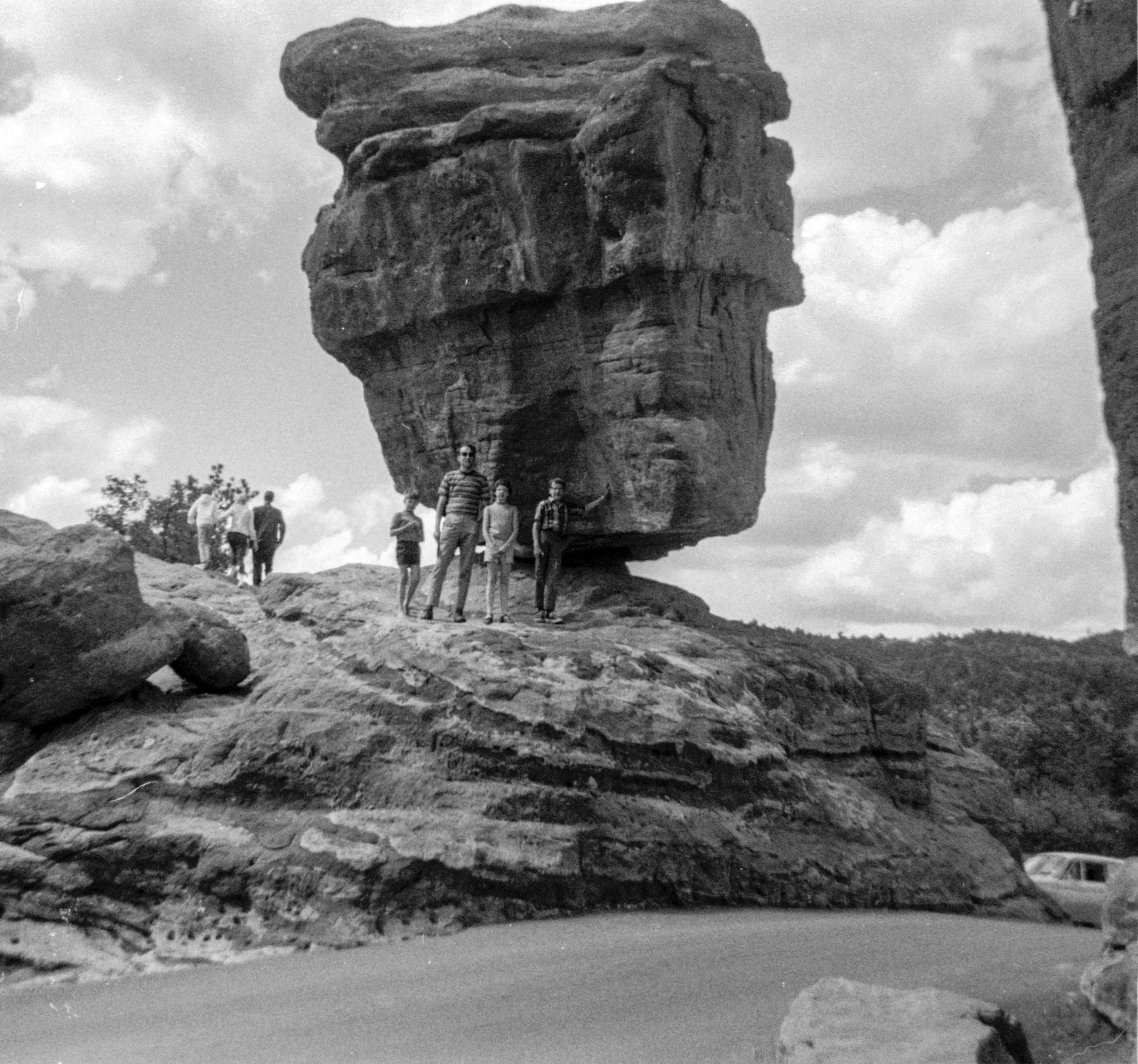
In May, 1969, we drove through the Garden of the Gods in Colorado Springs, Colorado. As everyone else visiting this park, we took pictures of ourselves, just as people had been doing for generations. AThe color slide was taken by my dad and the black and white picture by my mother, using my Kodak Instamatic camera.
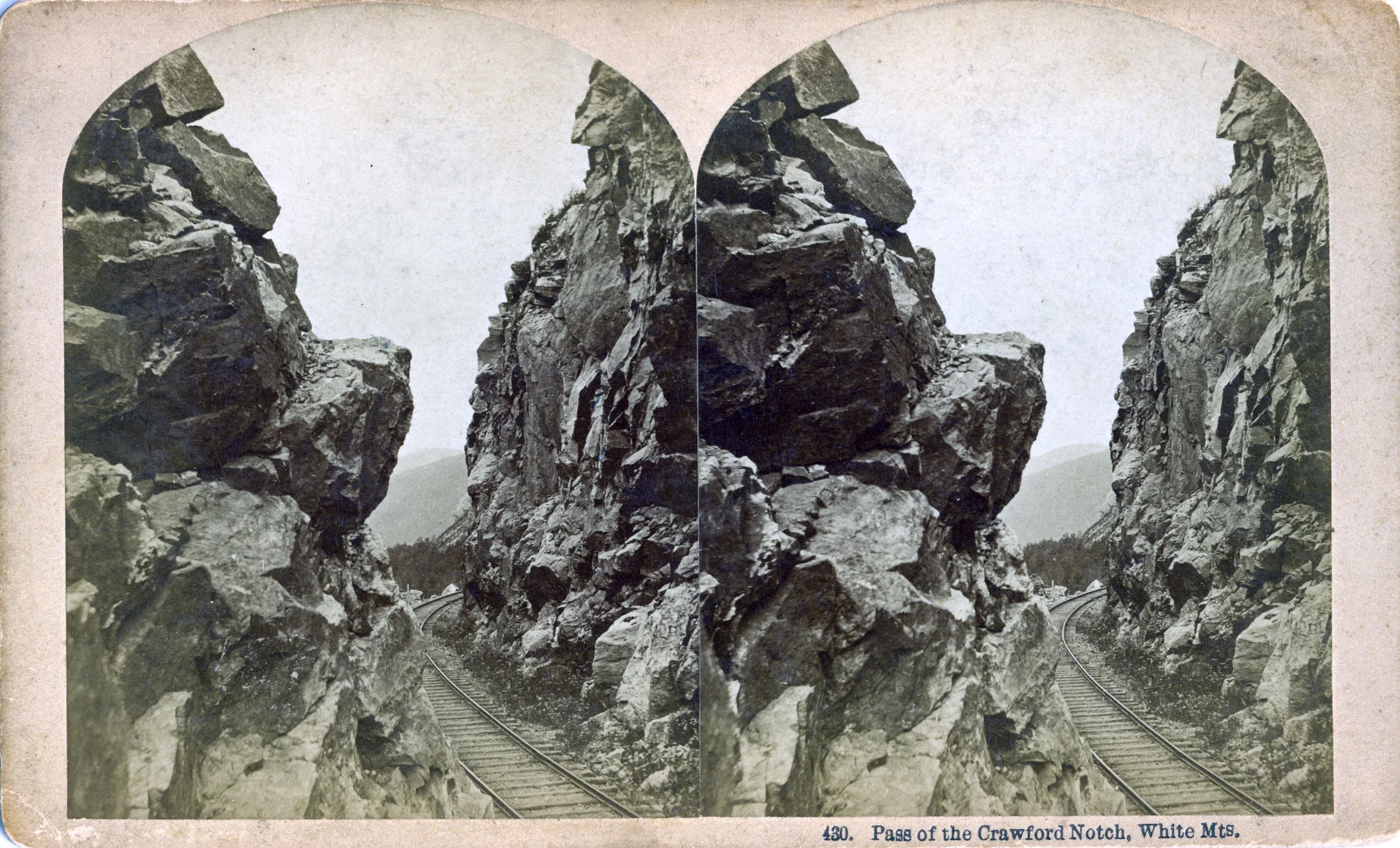
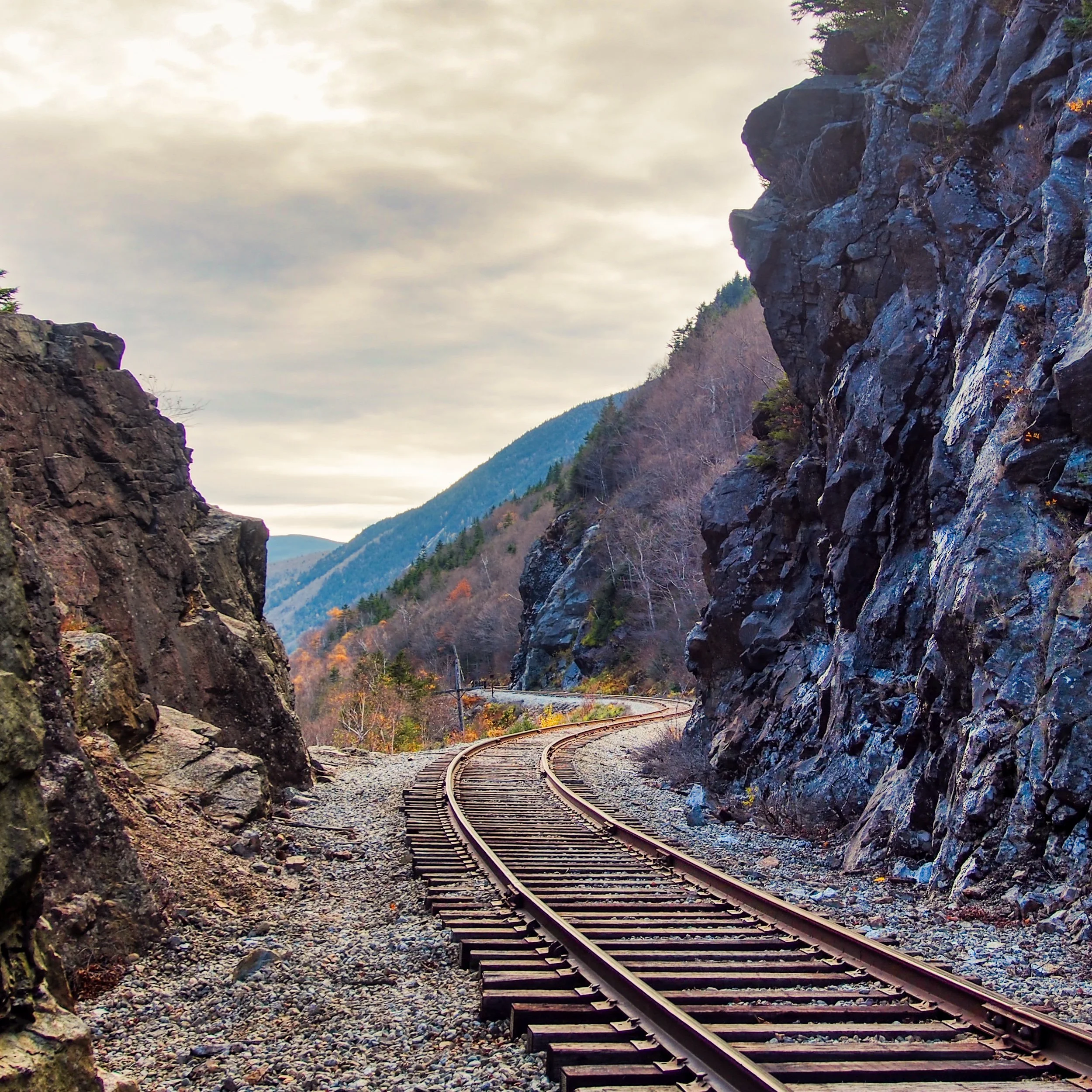
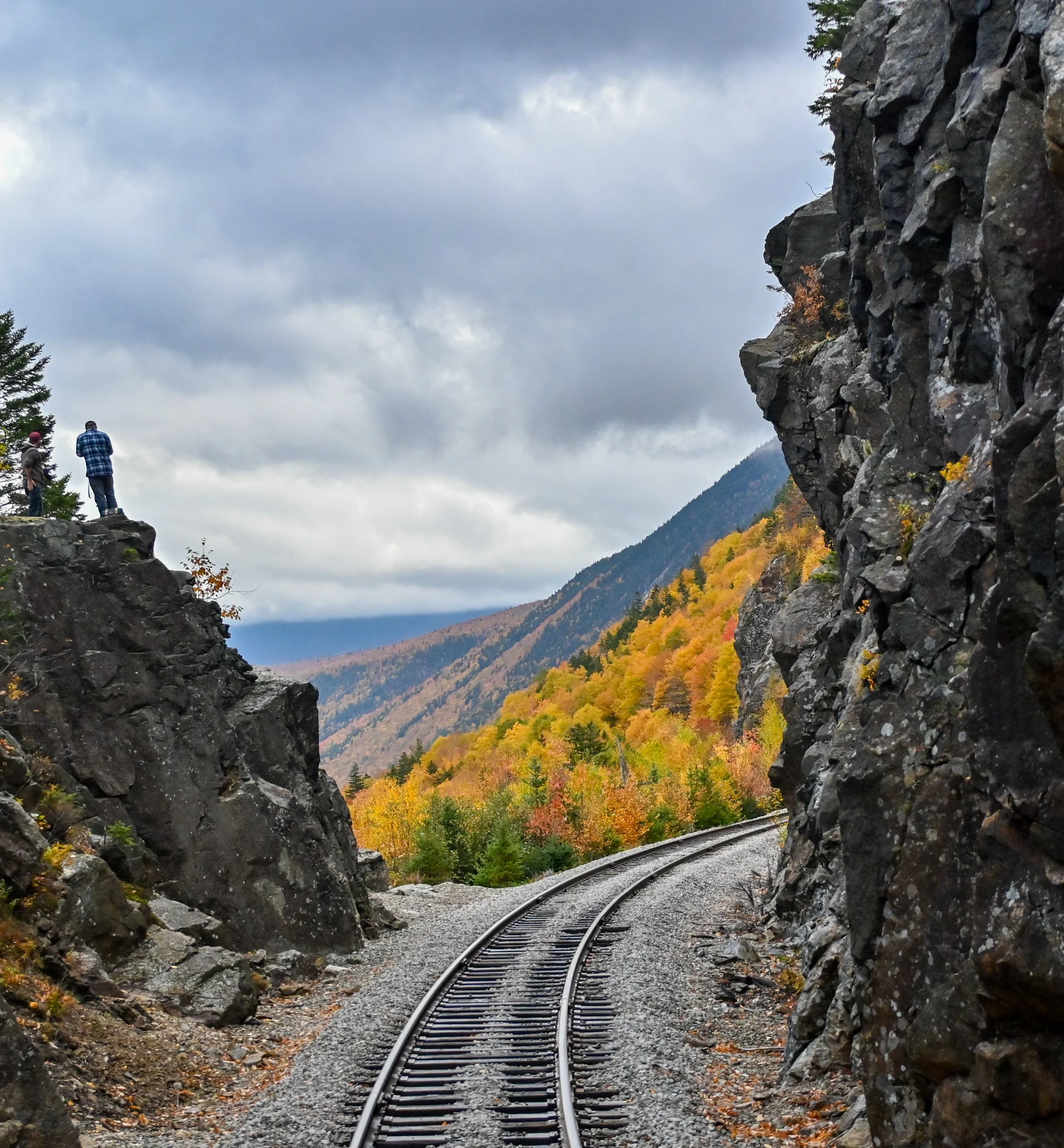
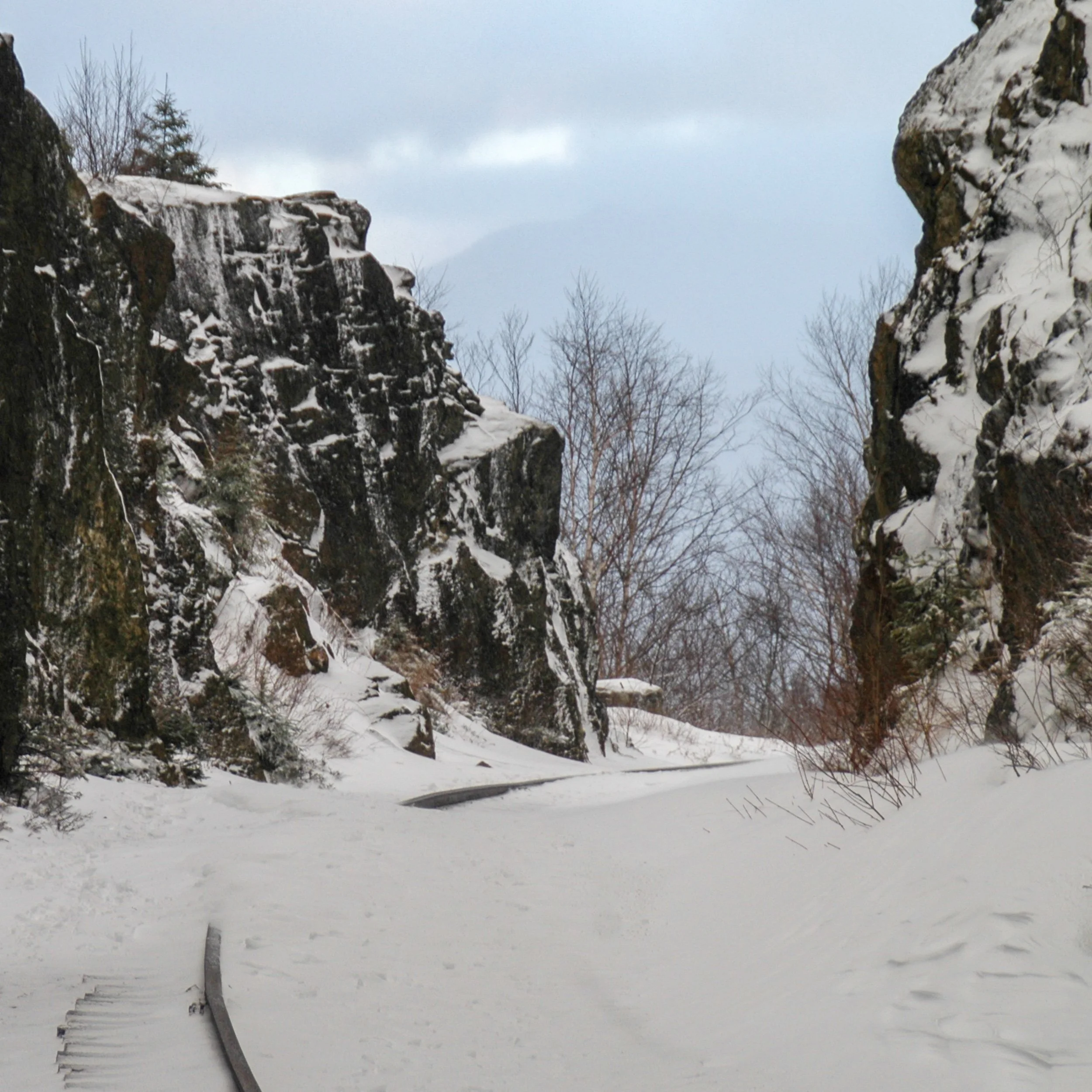
Trains carrying tourists to the White Mountains in New Hampshire have been riding through this opening in Crawford Notch since 1875. Dubbed the Gateway, or the Great Cut, it was an engineering marvel at the time. The tracks are still in use today, for the Conway Scenic Railroad. Below the undated stereo photograph, the “Great Cut” is shown in 2014 and 2022, both in October, and in December 2005. The auto road through the Crawford Notch pass (U.S. Route 302) is open in winter, but the railroad is not.
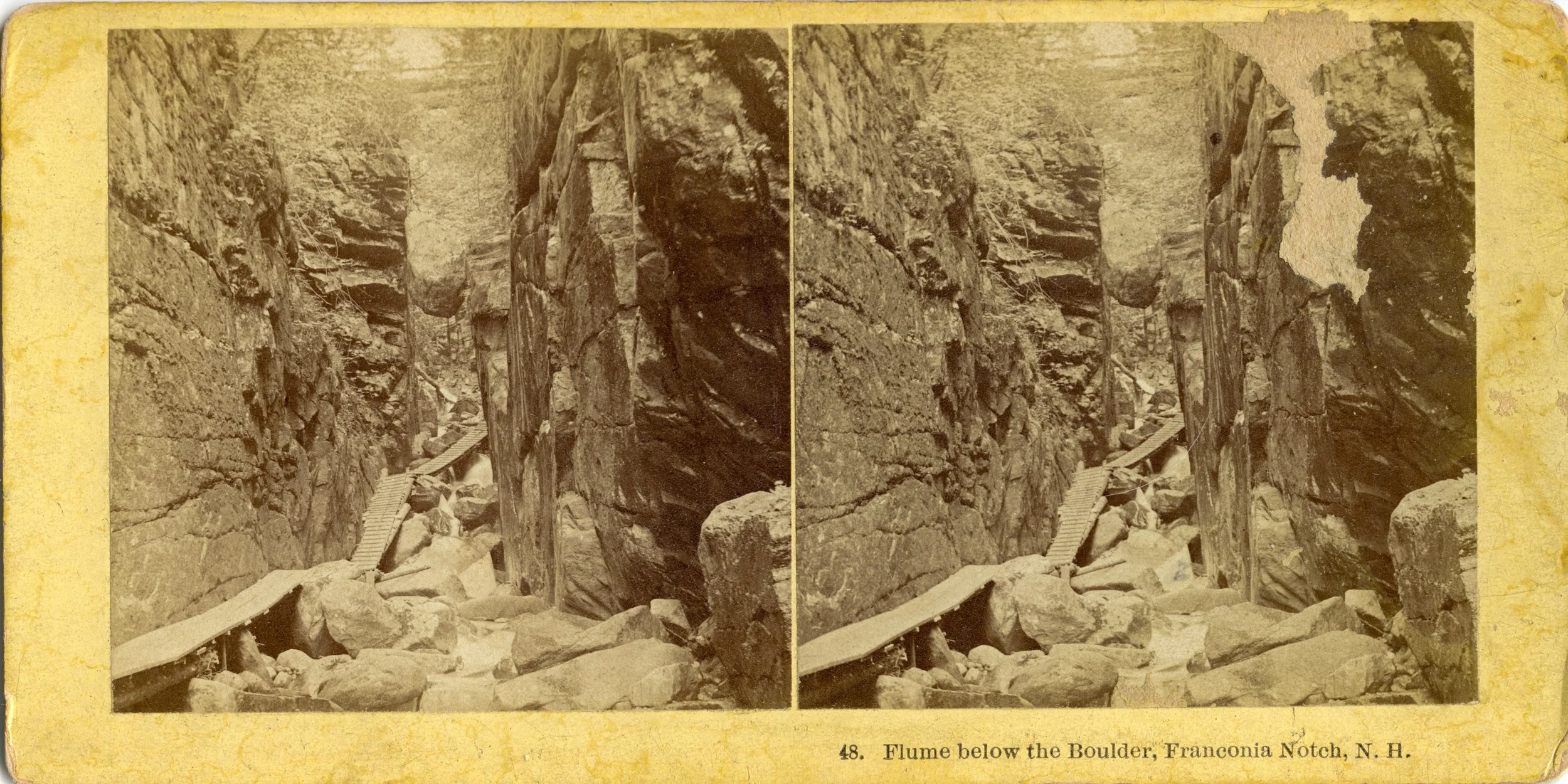
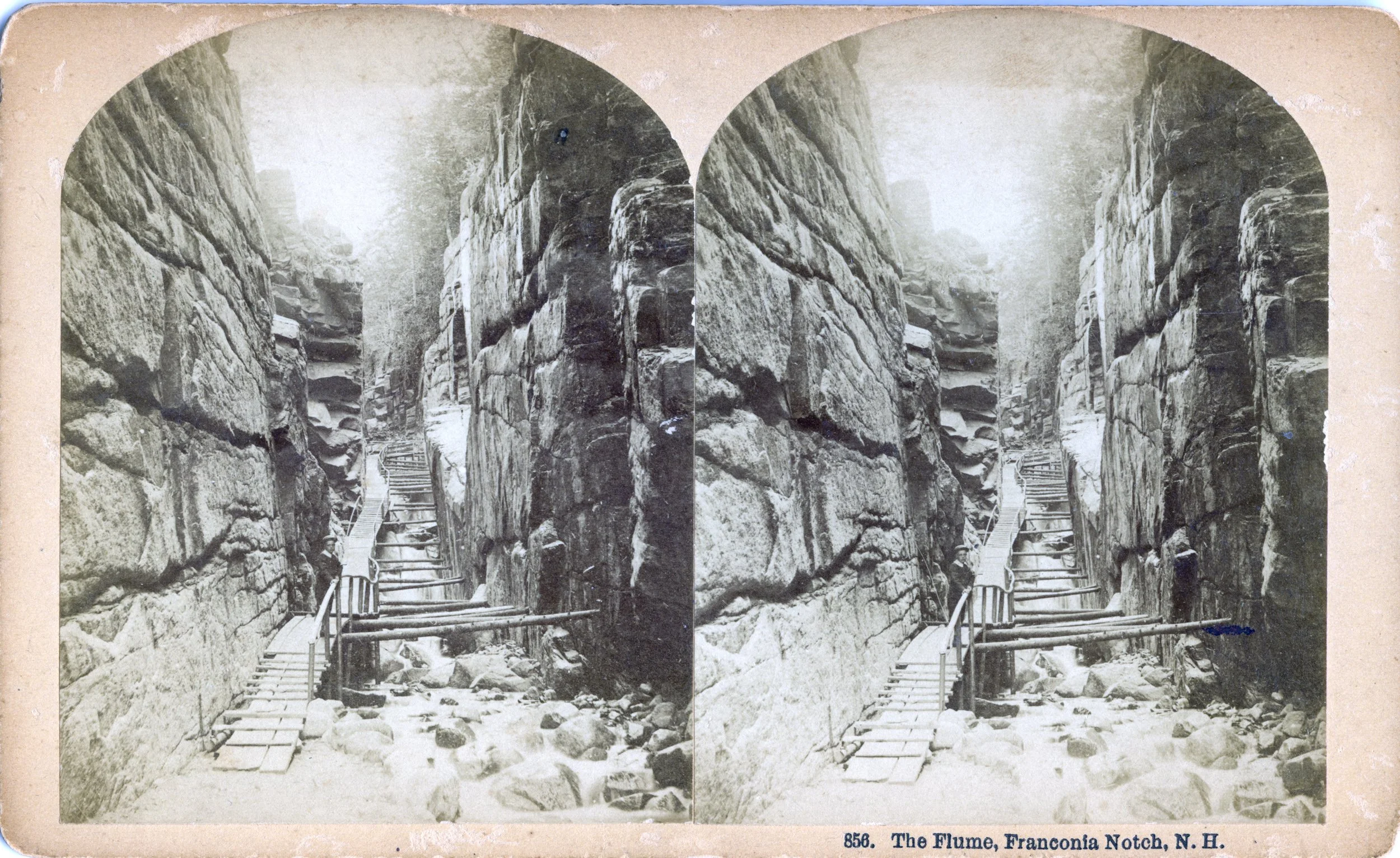
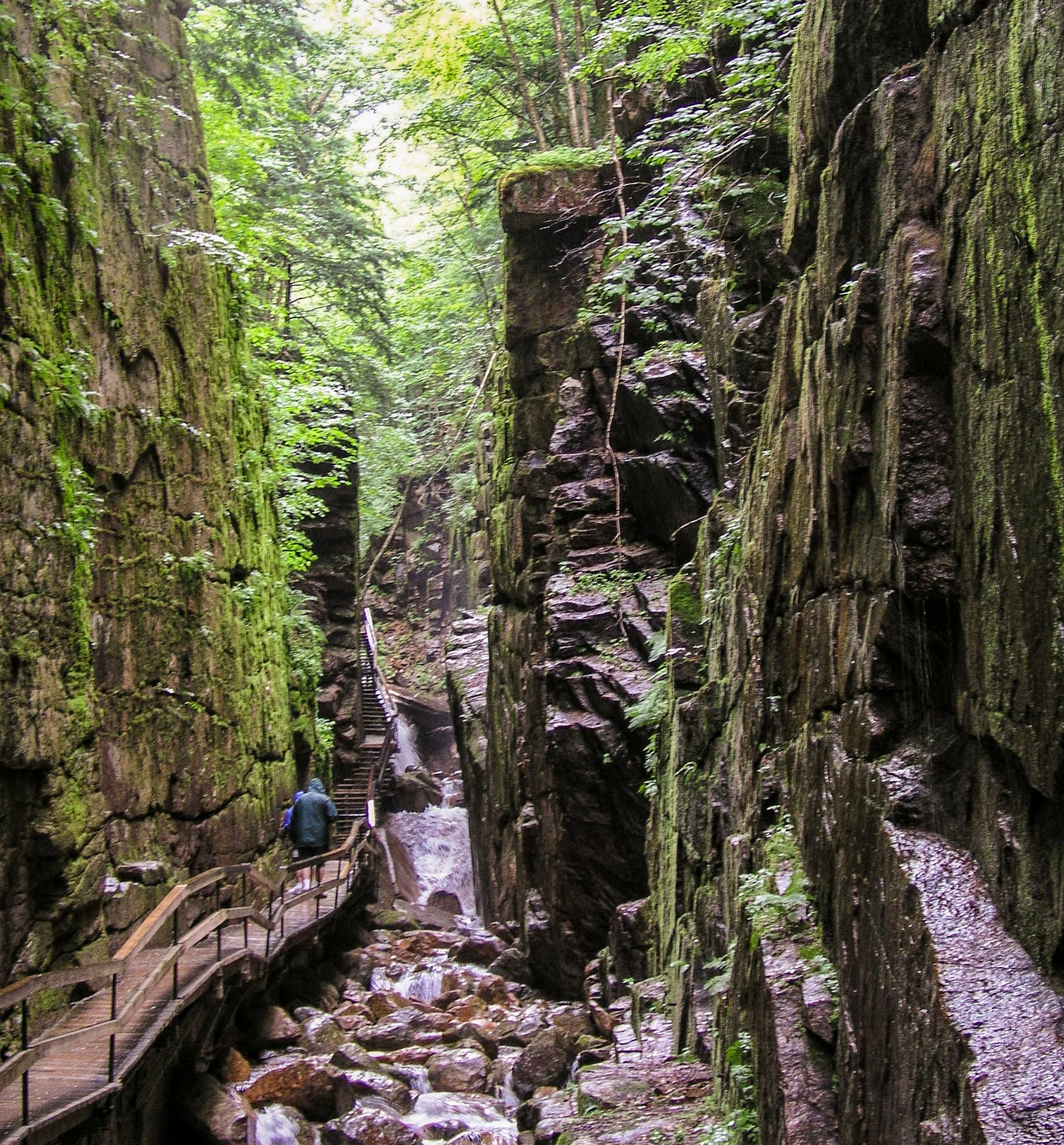
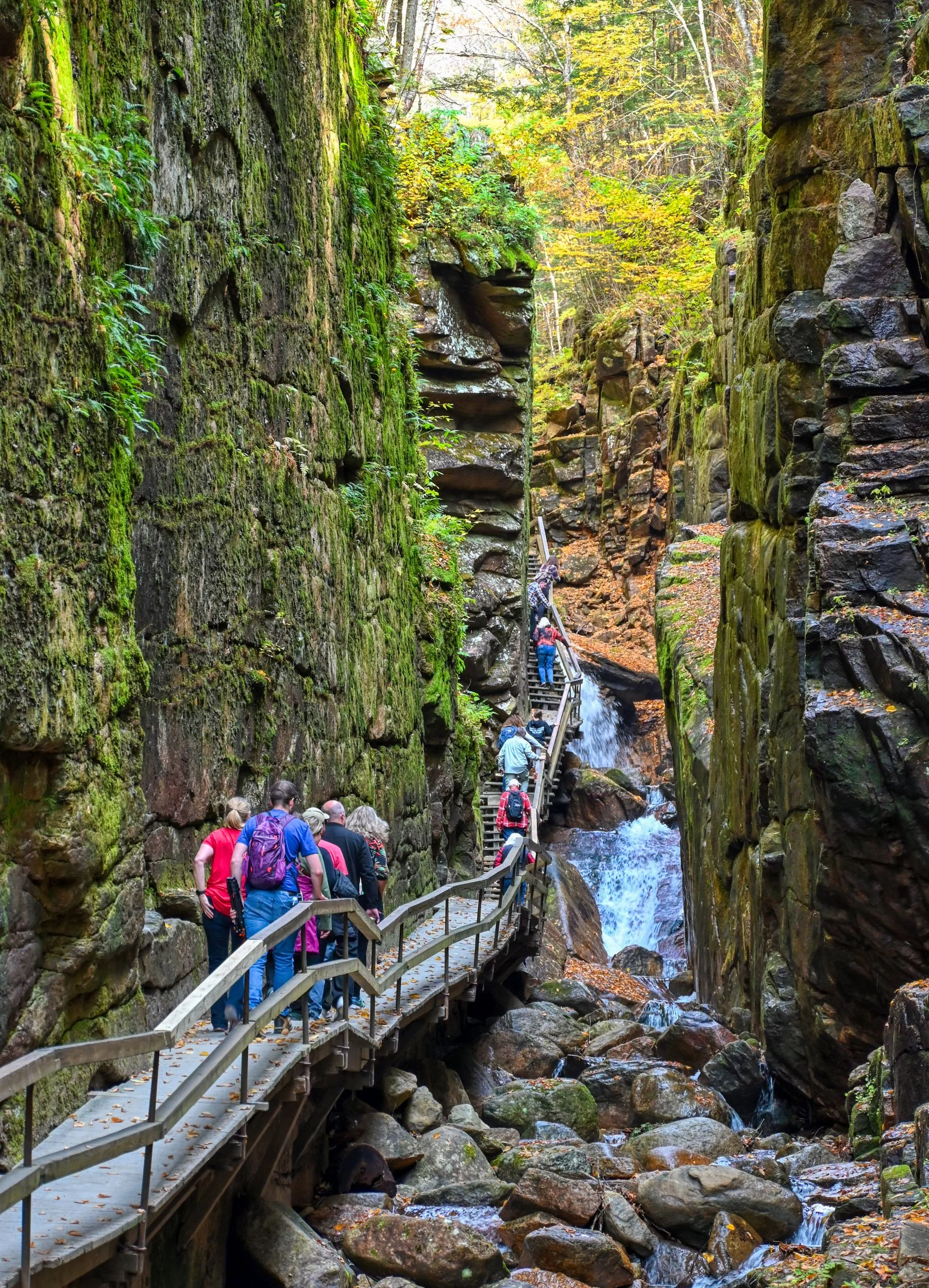
The Flume is a gorge in the Franconia Notch area of New Hampshire. In this picture you can see the big boulder that hung suspended between the walls. It fell down in 1883 so this picture dates from before that year. The second stereo photograph was taken after the disappearance of the boulder in 1883. Our visits to the Flume were in 2003 and 2022.
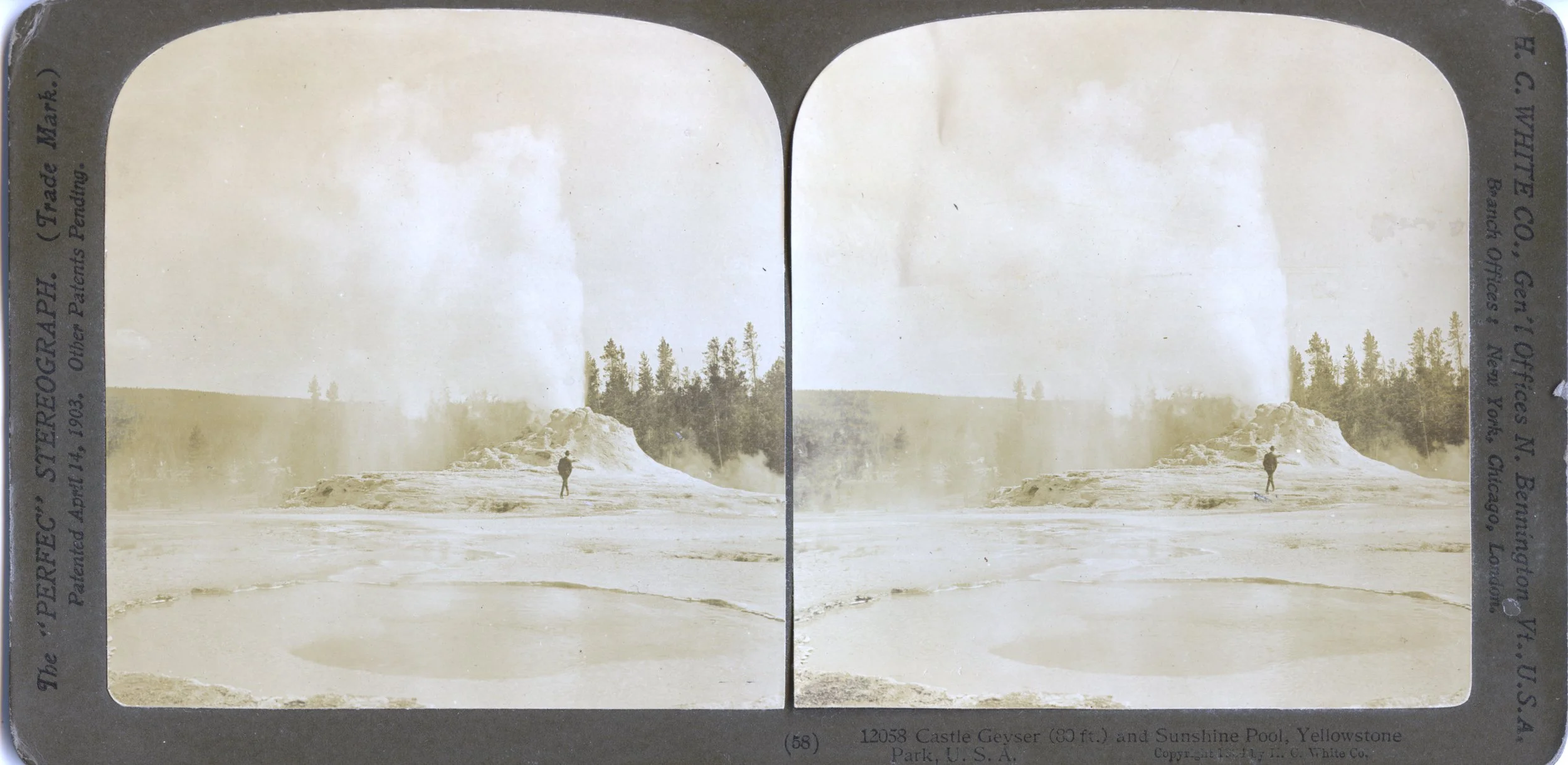
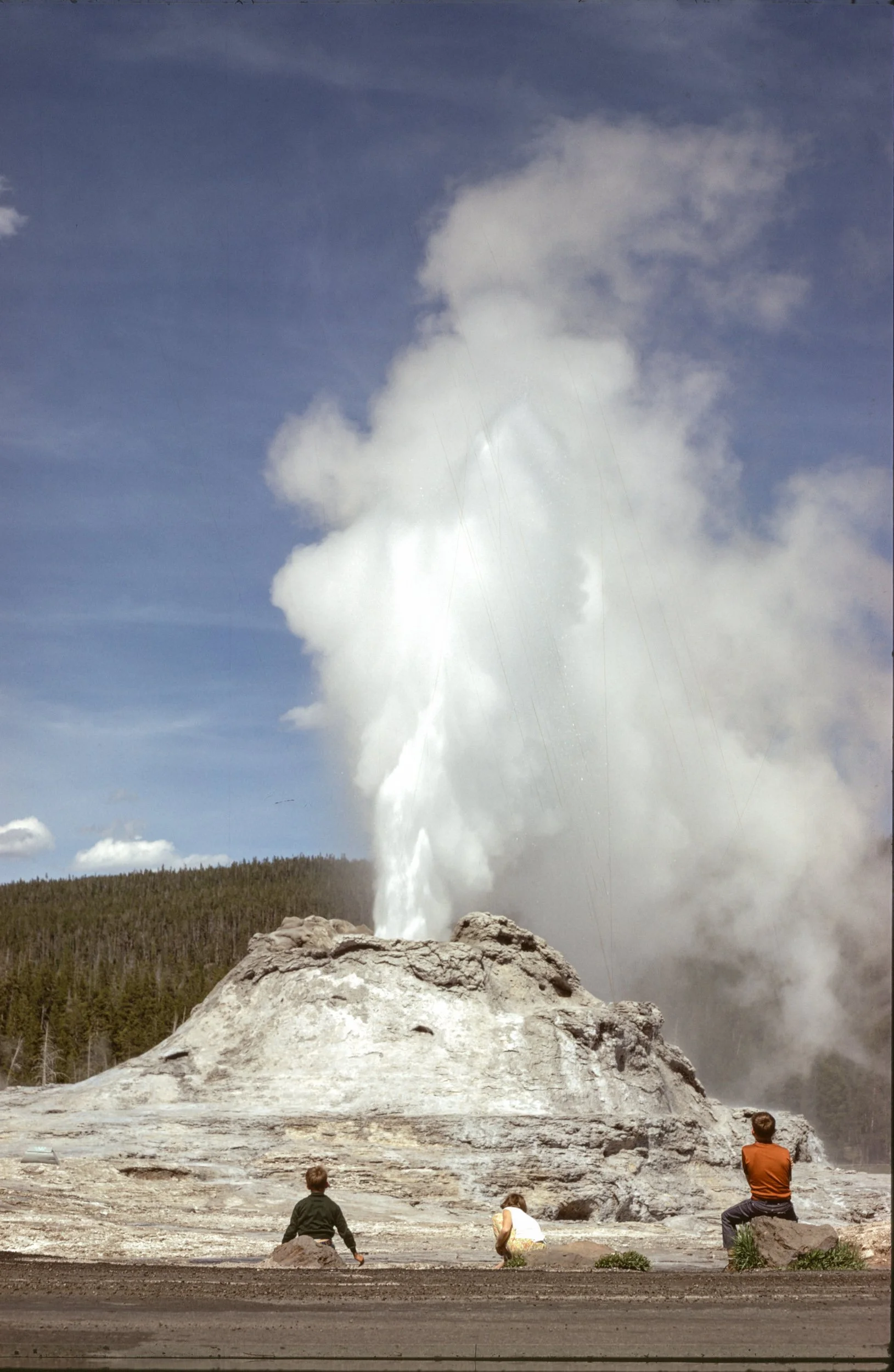
Yellowstone National Park is a favorite topic of these old stereo photographs. This first one shows the Castle Geyser. The color picture was taken by my dad in 1969. I can be seen on the right, with my sister and brother to my left.
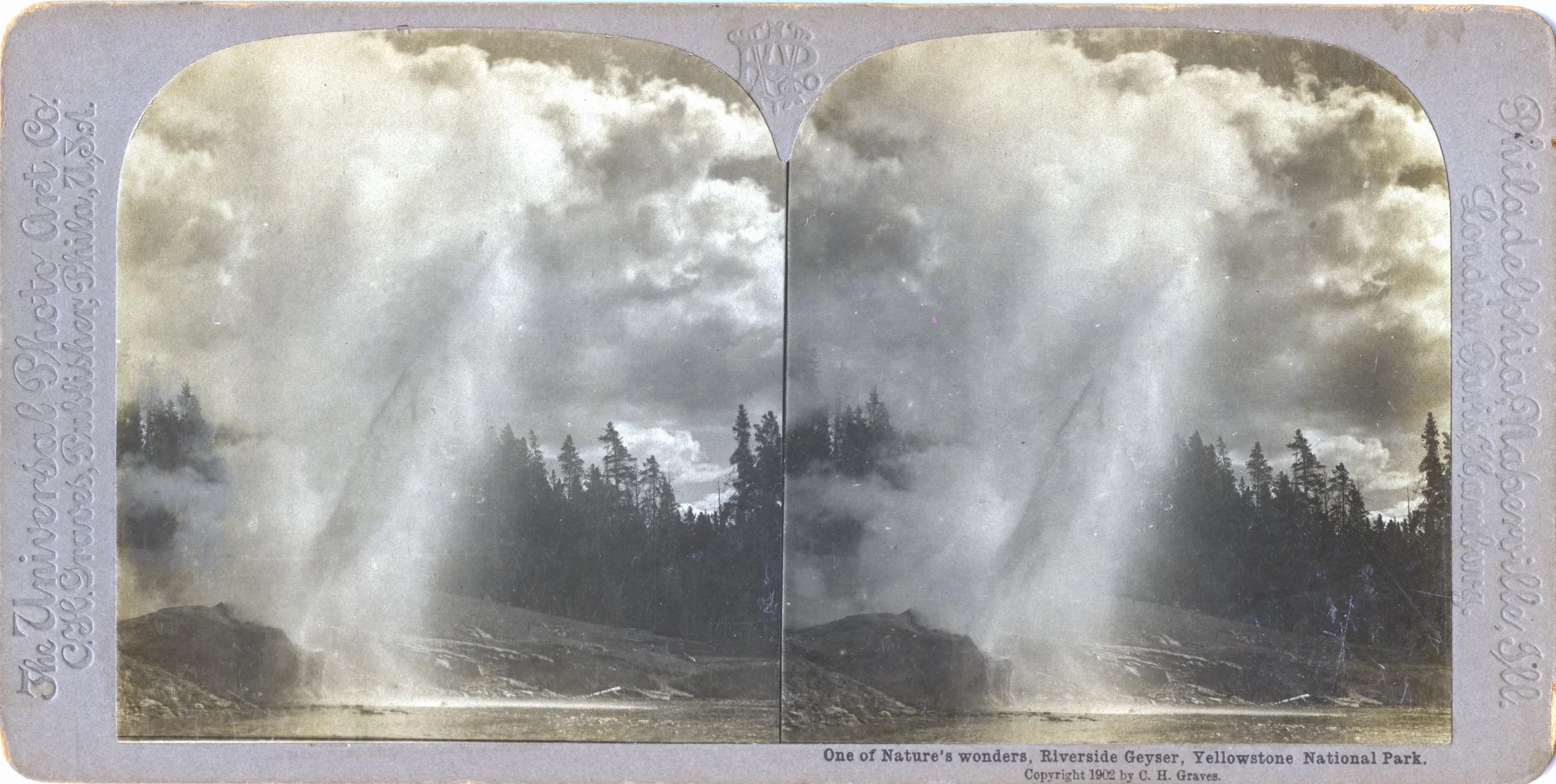
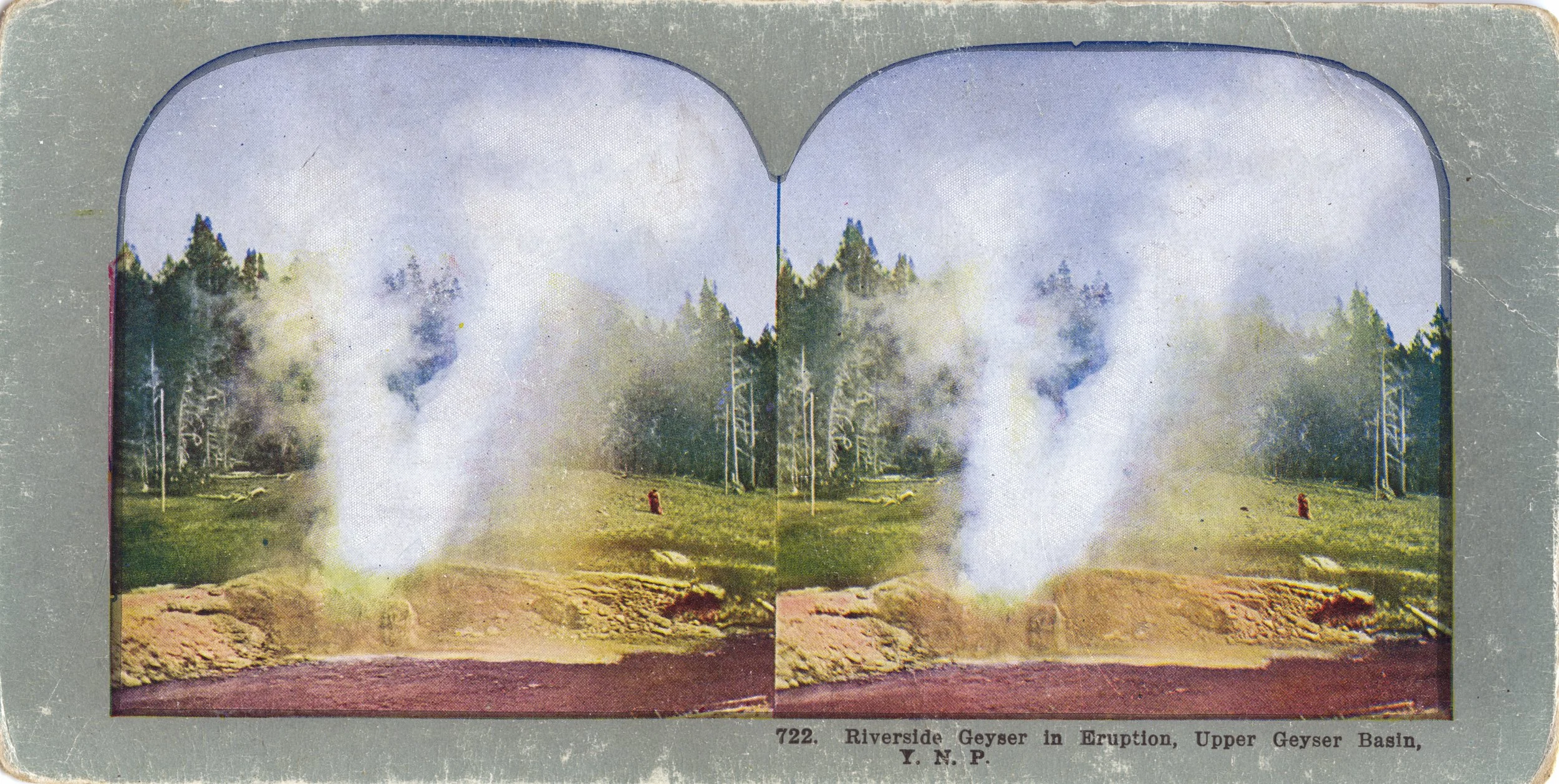
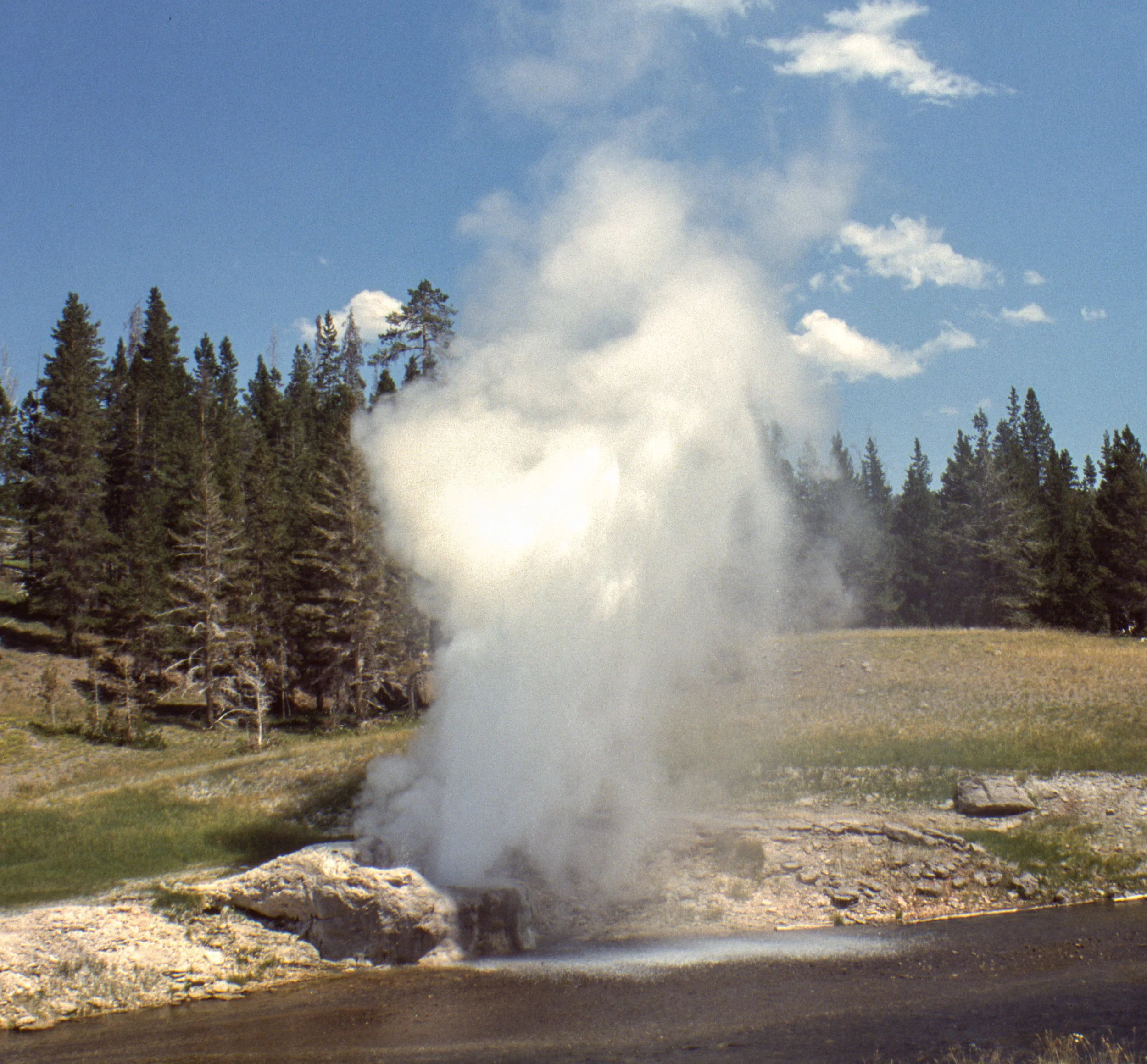
The Riverside Geyser in Yellowstone National Park, in a black-and-white and a colorized stereo image. The “modern” picture was taken in 2002.
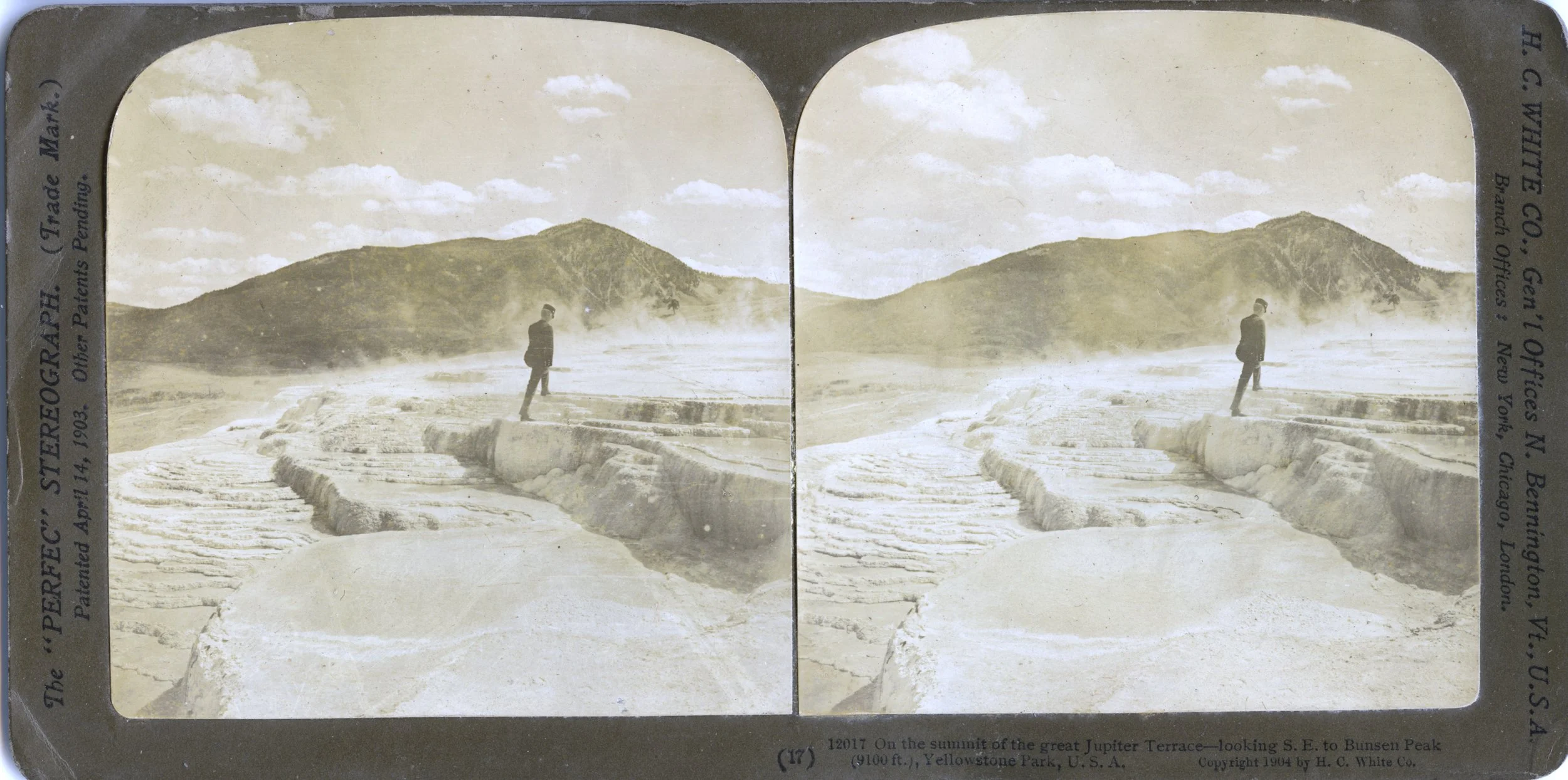
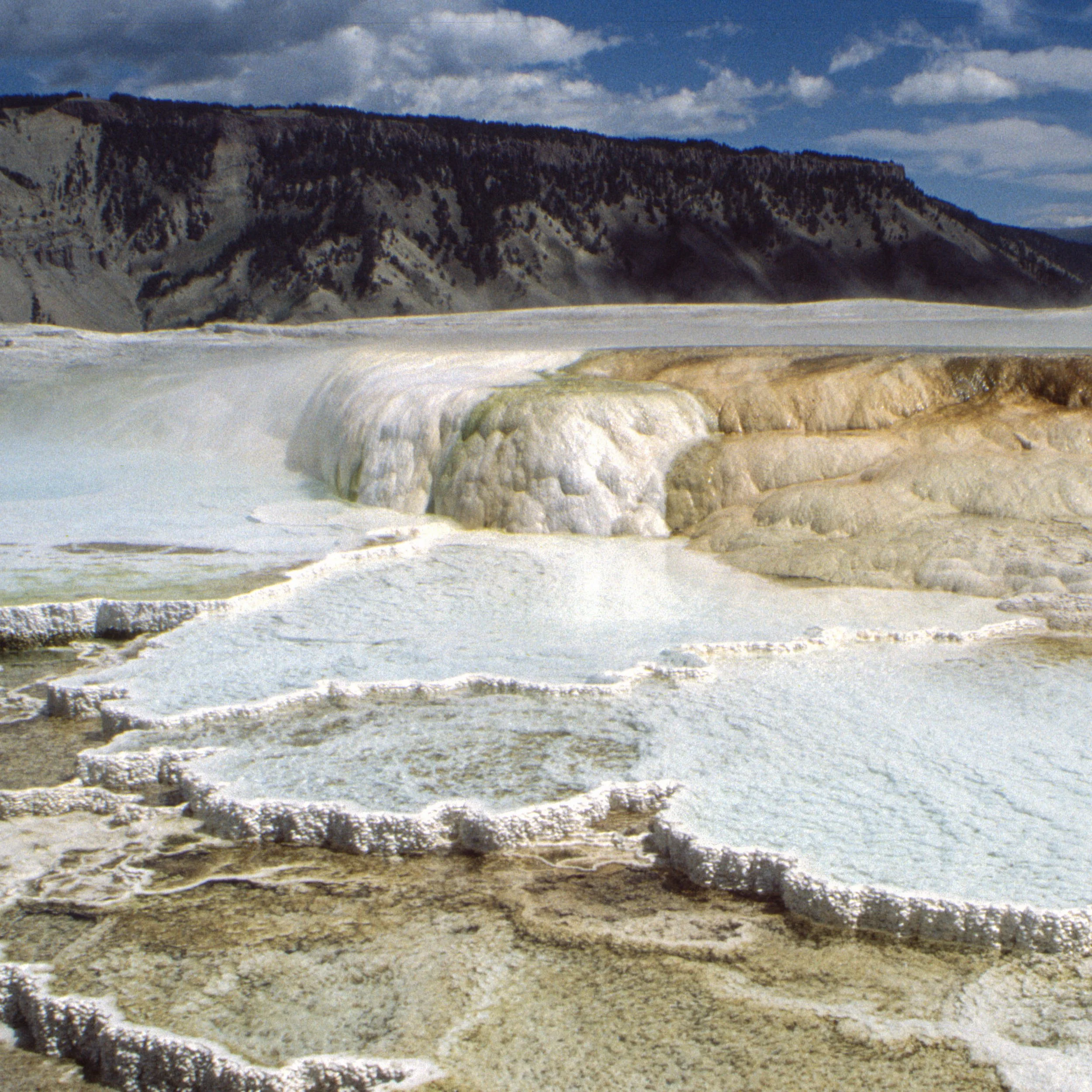
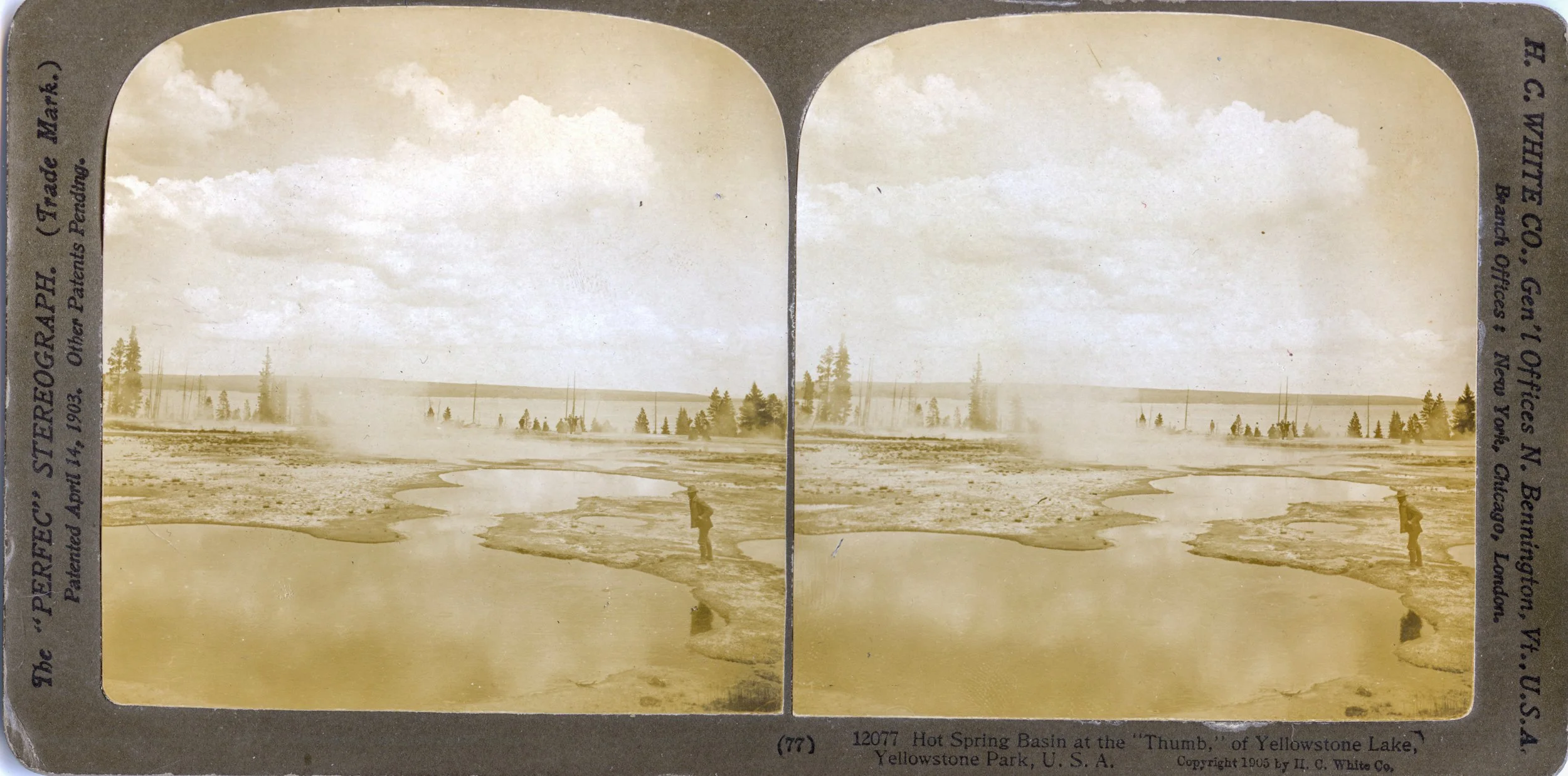
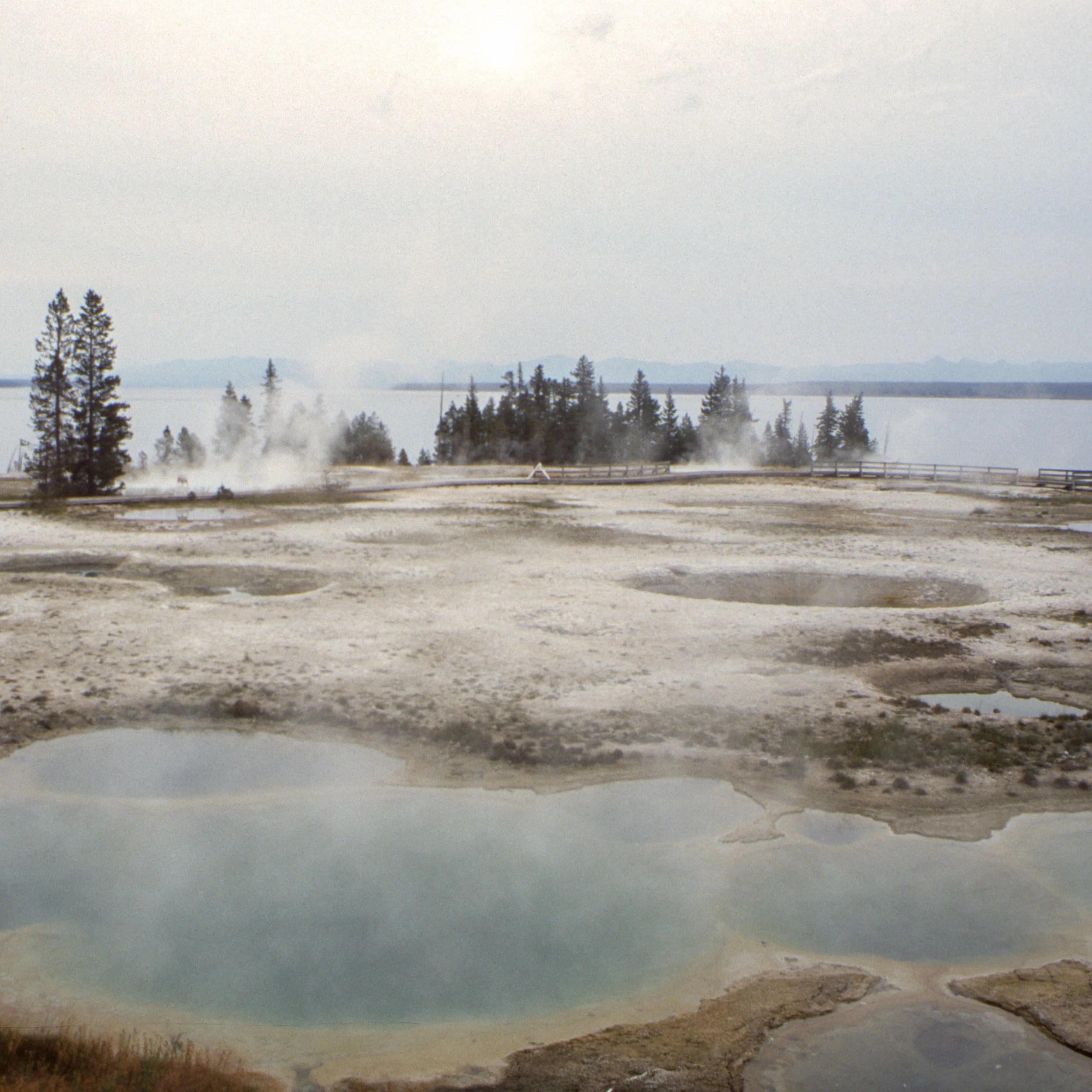
Here are 2 more pairs of stereo photographs, from 1904 and 1905, together with my slides from 2002. The landscape has changed very little, despite the abundant thermal activity. People are no longer allowed to wander freely through the sites, however. The top pair shows Mammoth Hot Springs, the bottom pair shows West Thumb Geyser Basin with Yellowstone Lake.
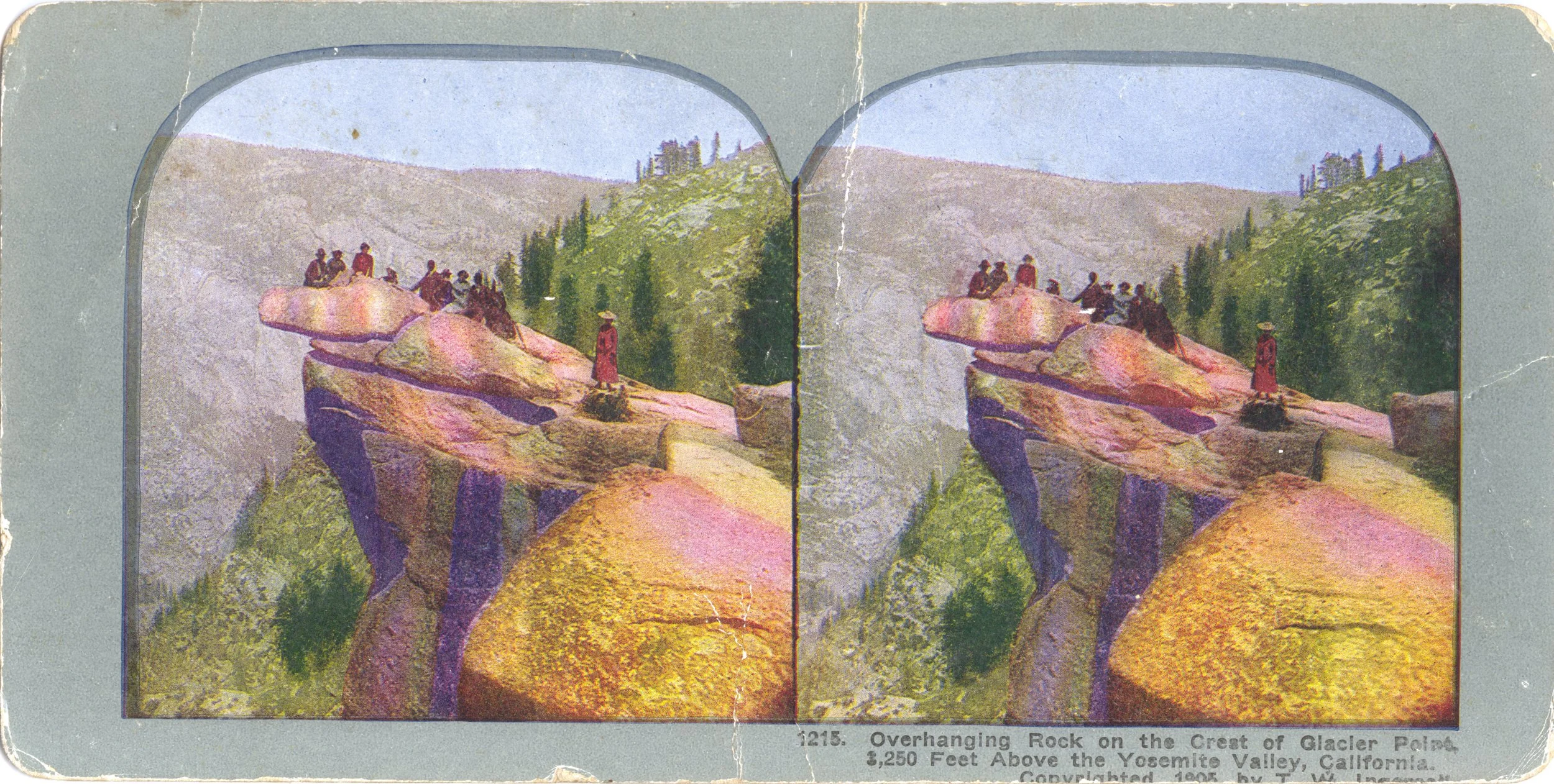
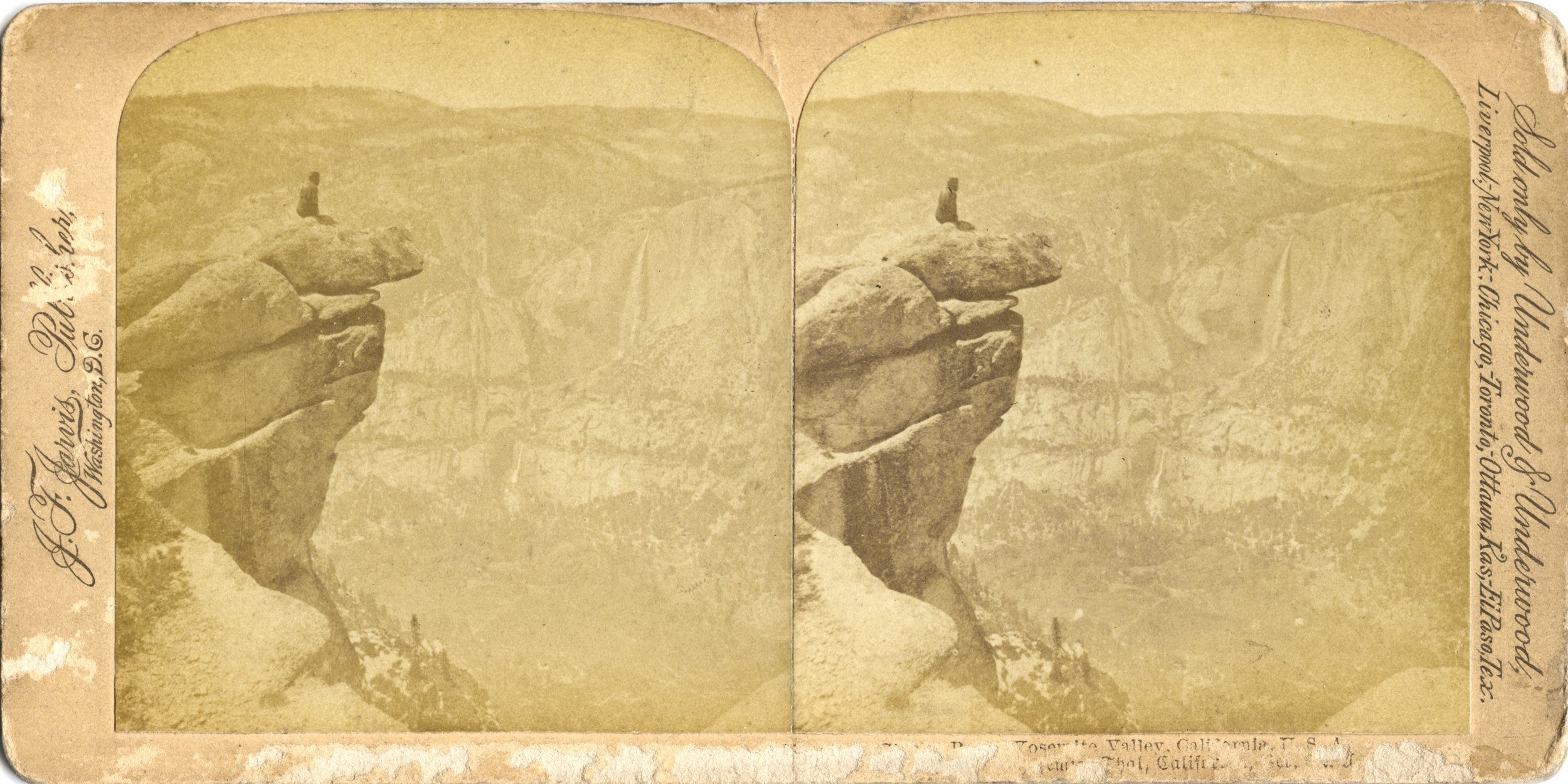
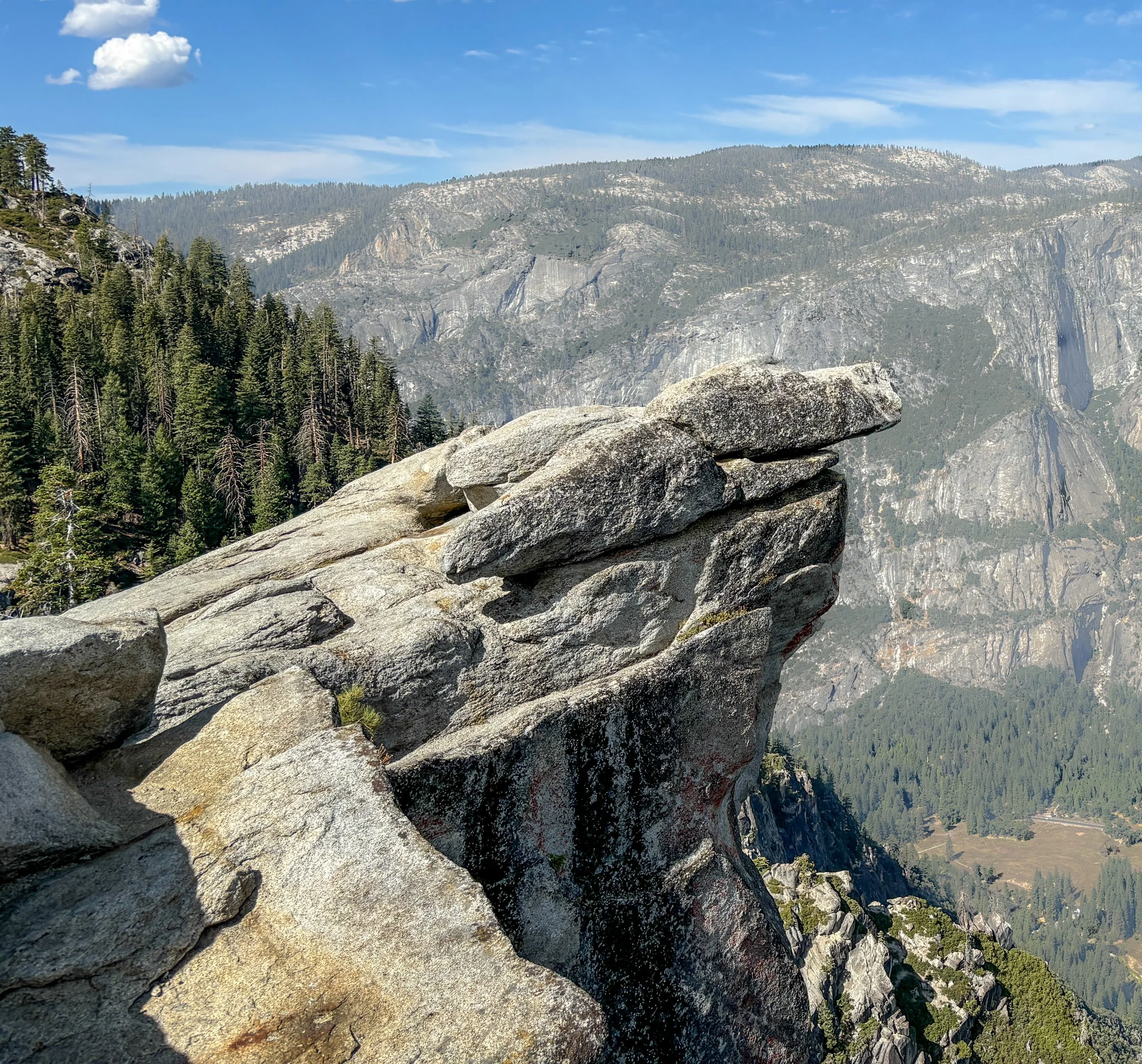
Finally Yosemite, my favorite National Park. Shown here is the Overhanging Rock at Glacier Point. Curiously, the colorized version is printed as a mirrored image. The monochromatic image is in the correct orientation. It also shows Yosemite Falls in the background, across Yosemite Valley. My own picture of Overhanging Rock was taken in October 2024. Yosemite Falls was completely dry at the time.
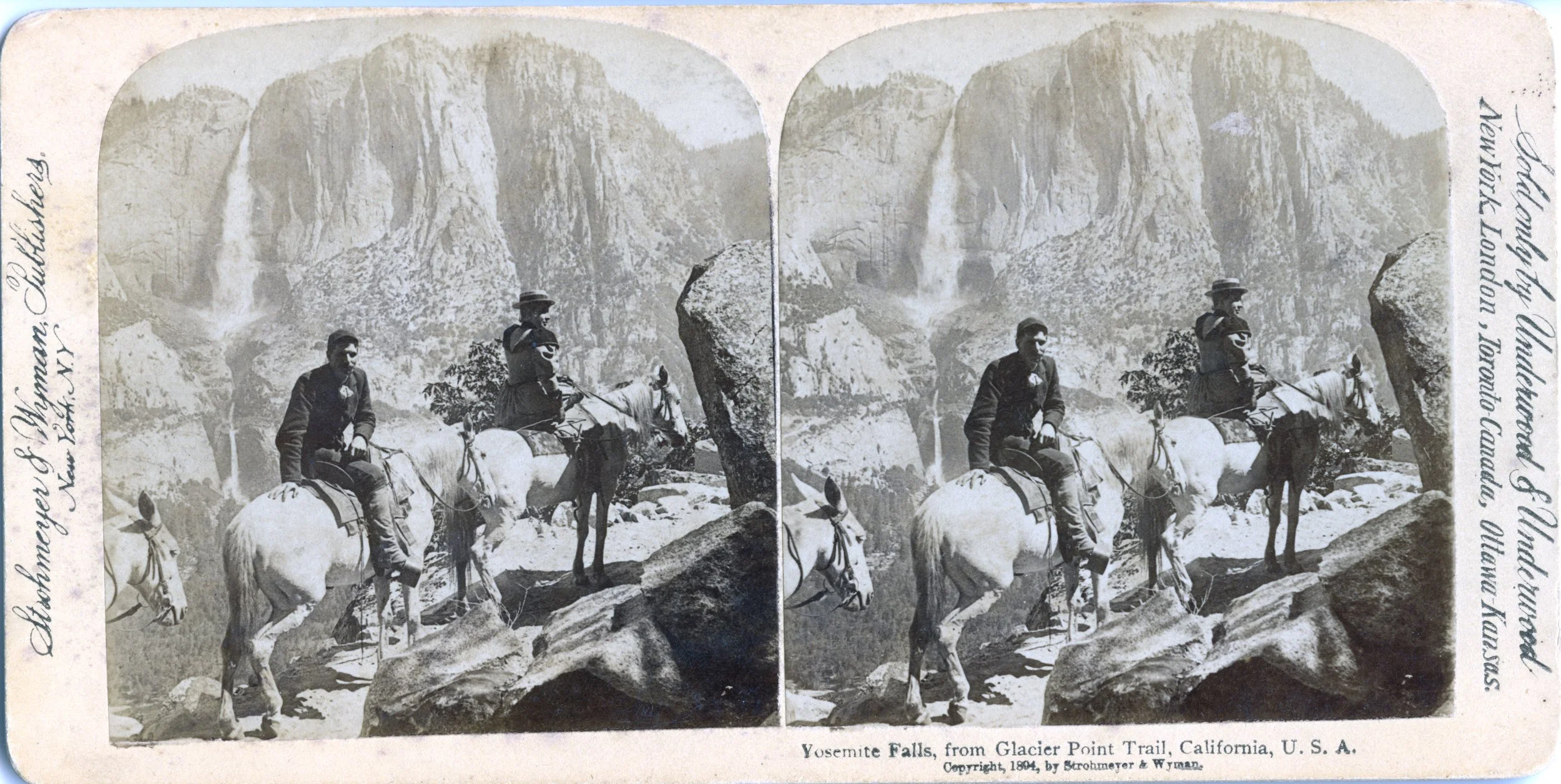
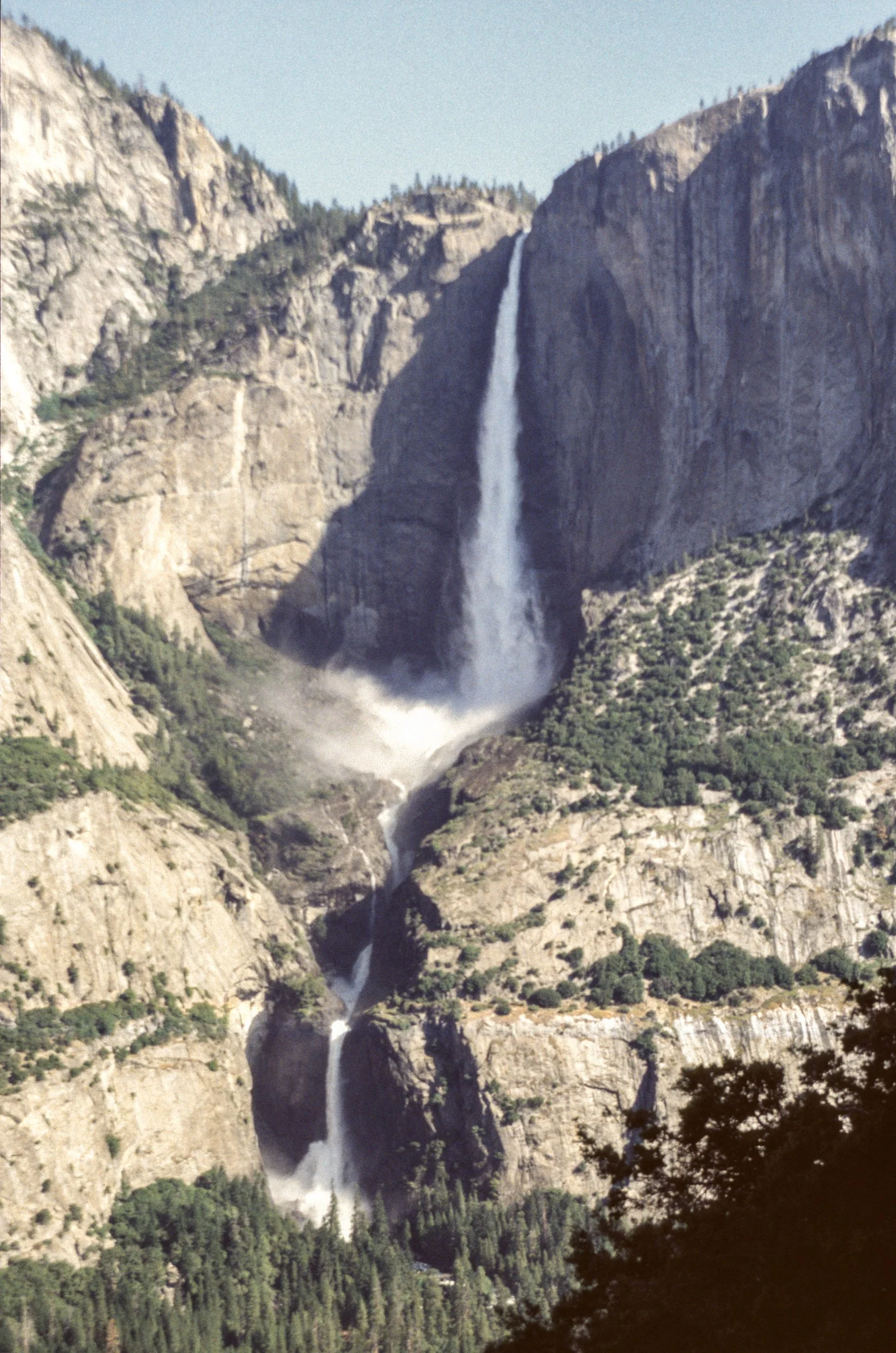
Yosemite Falls is the highest waterfall in the park, totaling 740 m (2425 feet). The stereo photograph is from 1894, taken from the trail that leads to the famous Glacier Point overlook. This trail is now known as the Four Mile Trail (actually 4.8 miles one way). We hiked it in June 1995, with the water flow of the Yosemite Falls at its peak.
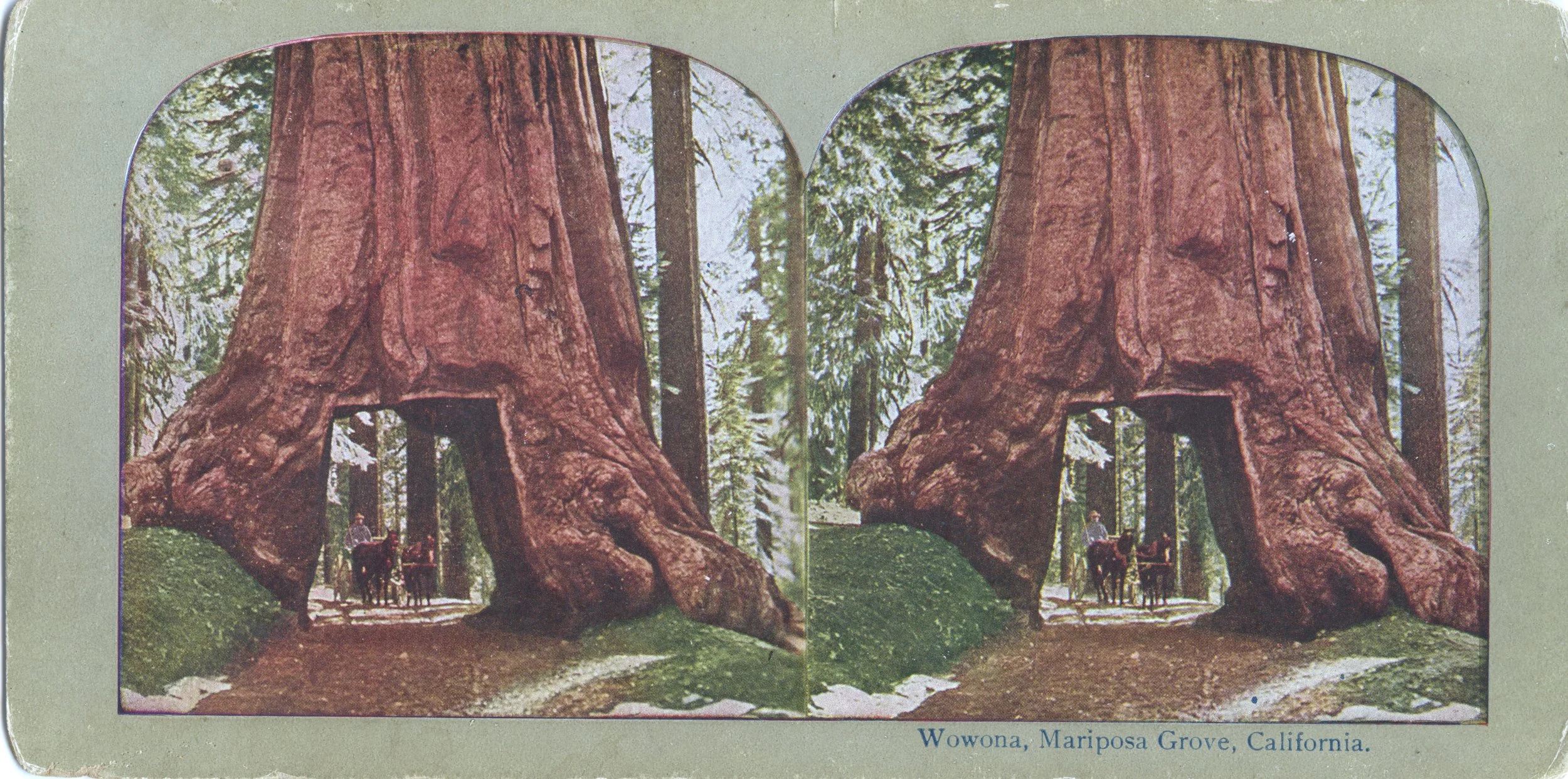
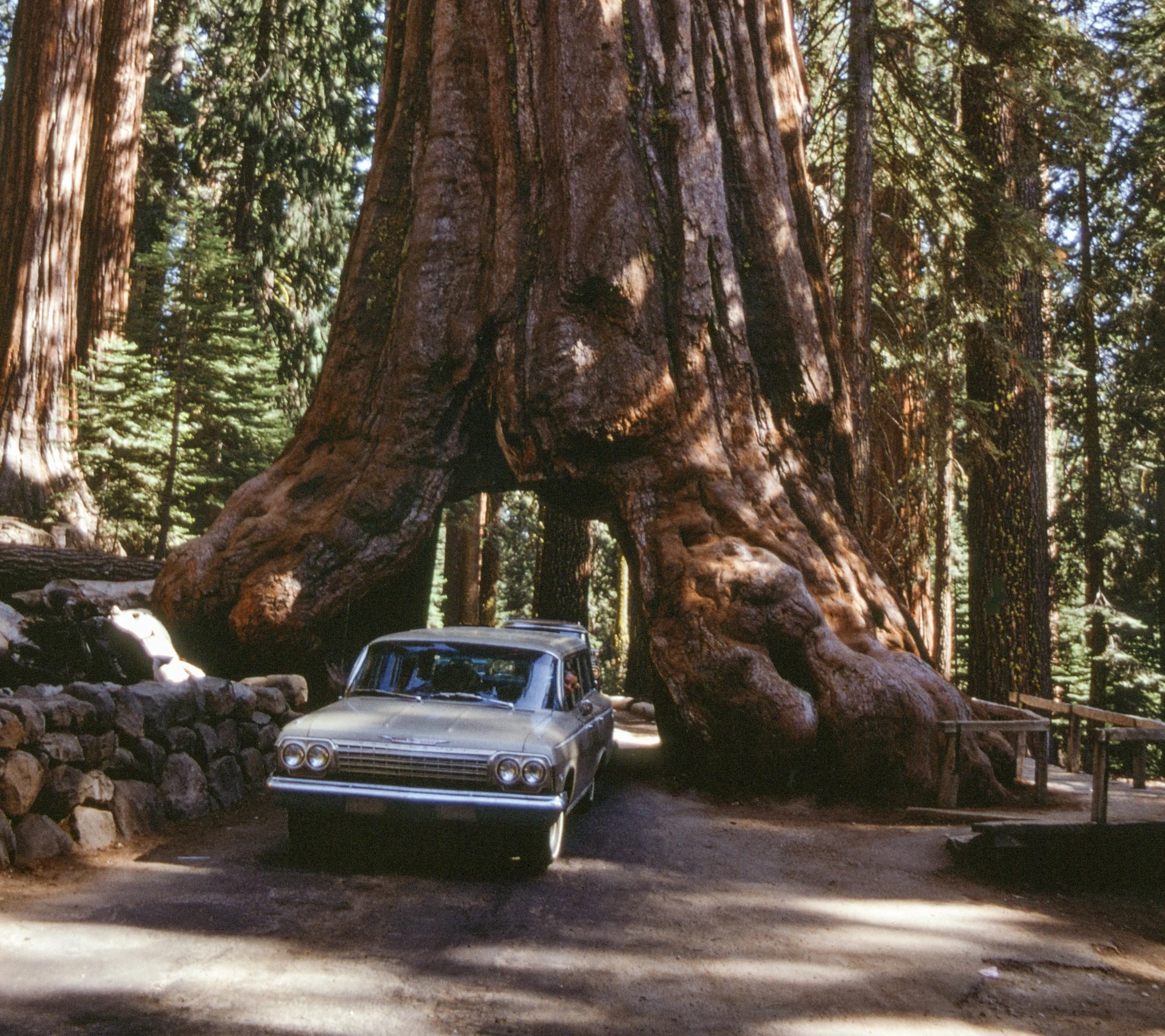
The famous Wawona Tunnel Tree in the Mariposa Grove, in an undated colorized photo. Our Chevrolet Impala is seen driving through the tree in May 1968. It fell down in the winter of 1969.
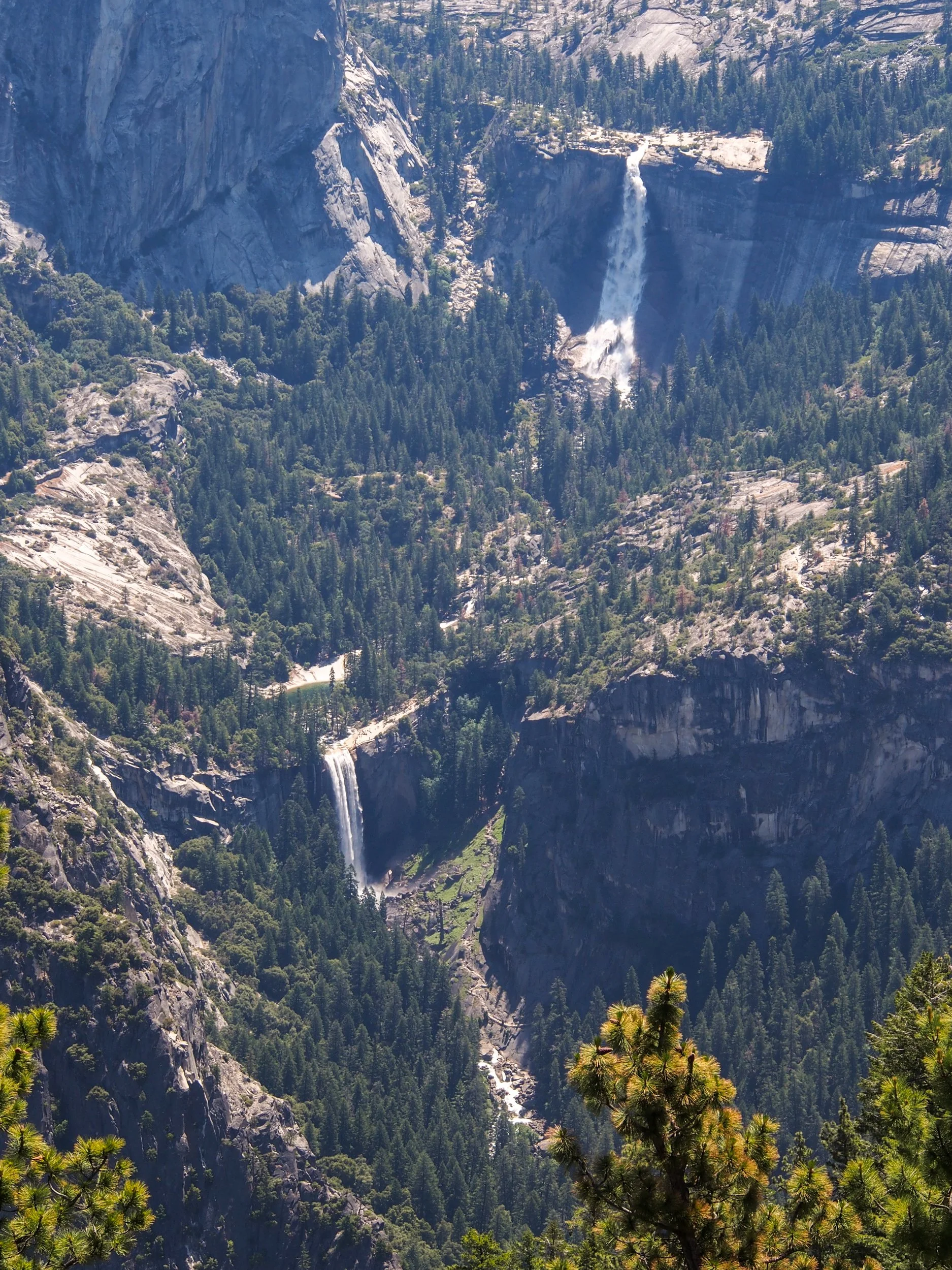
Vernal and Nevada Falls can be seen beautifully from Glacier Point, in this picture from 2013.
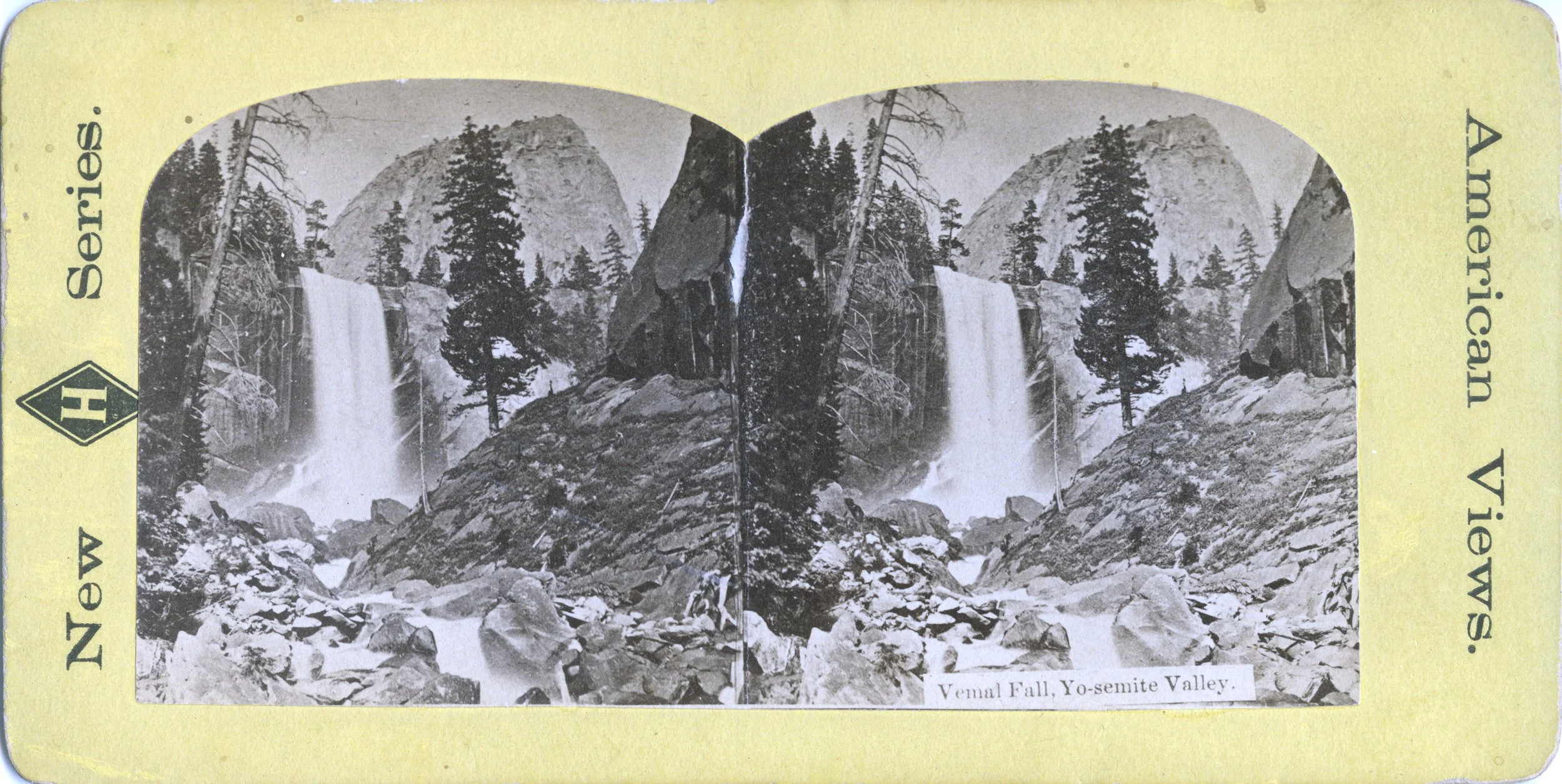
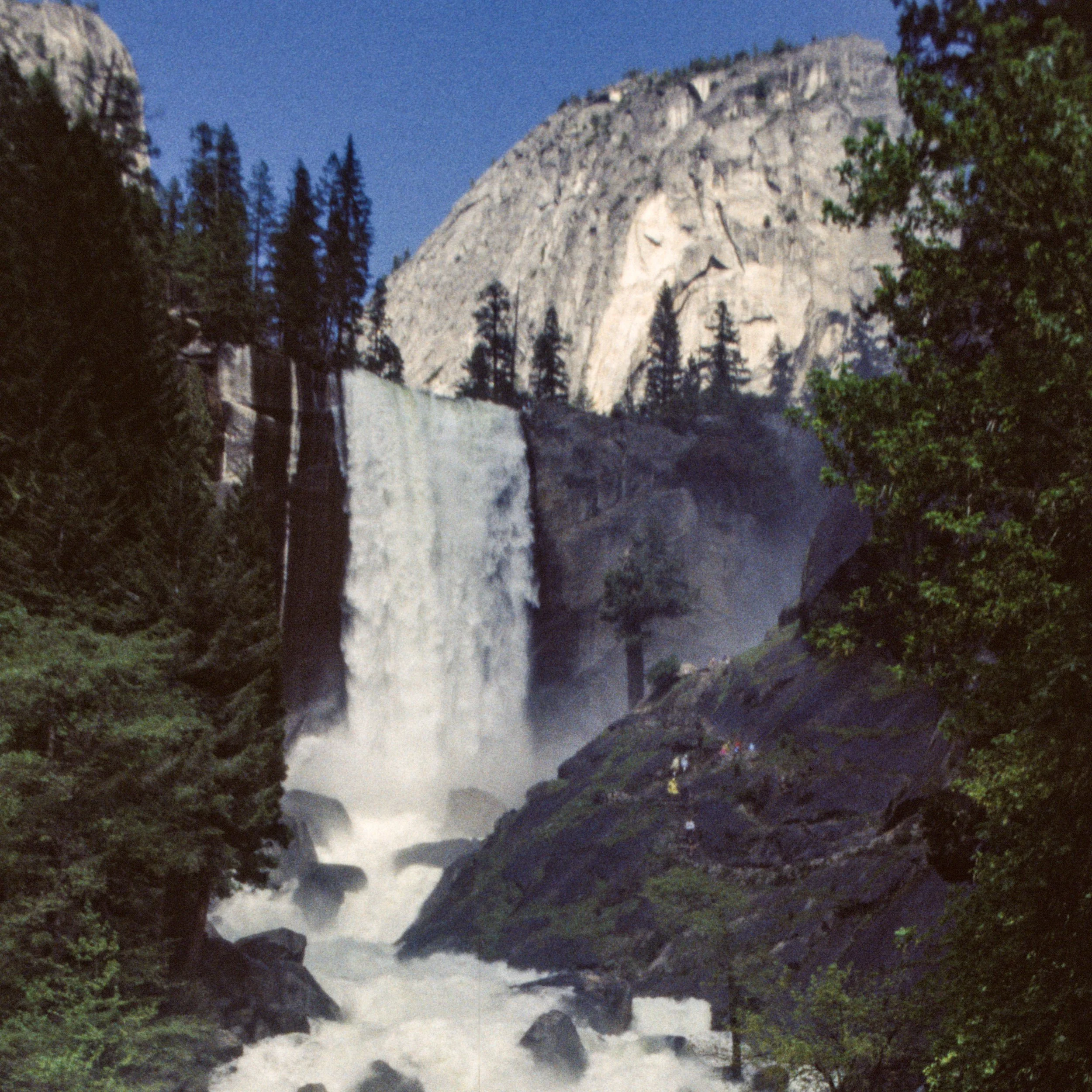
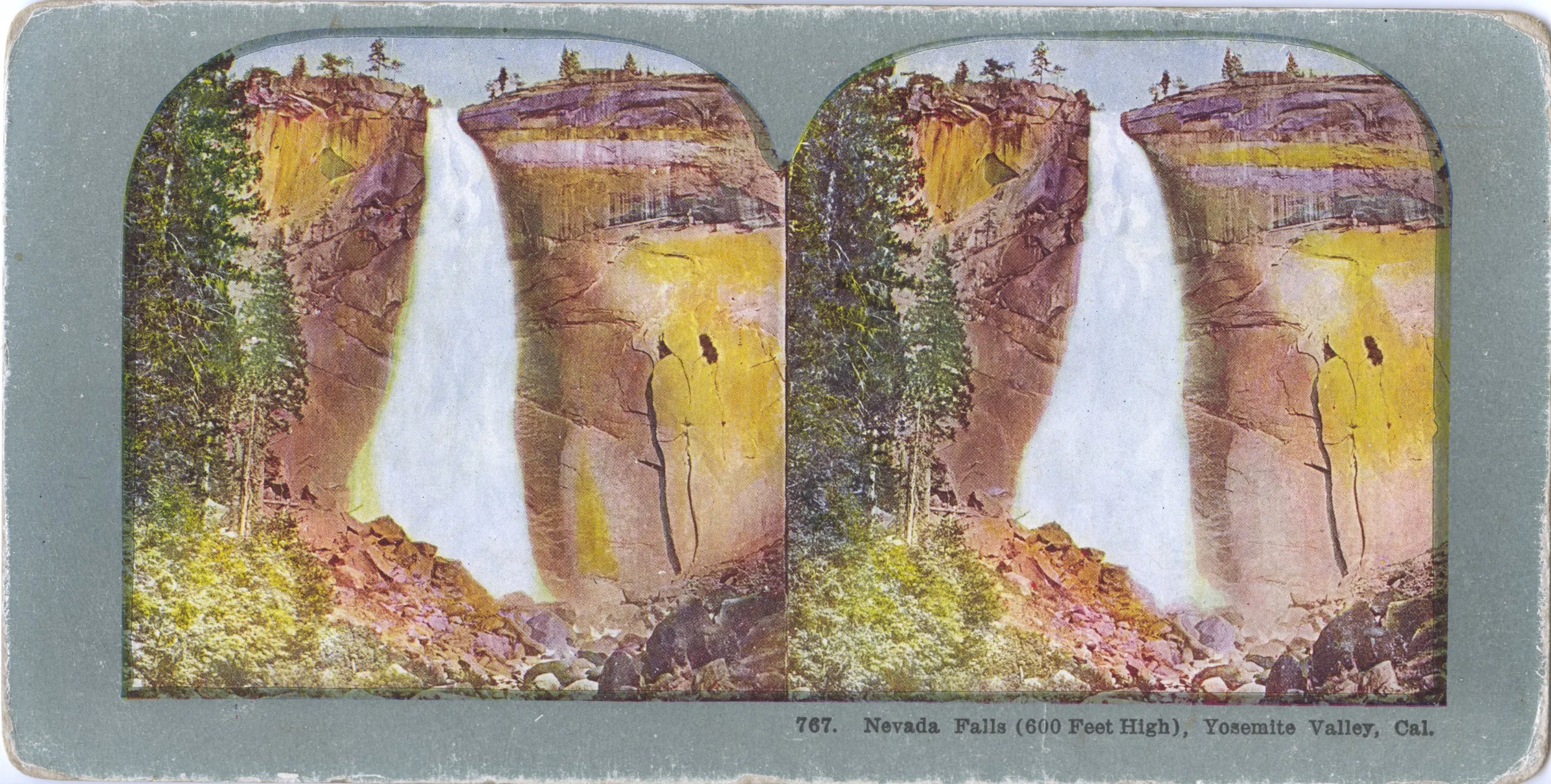
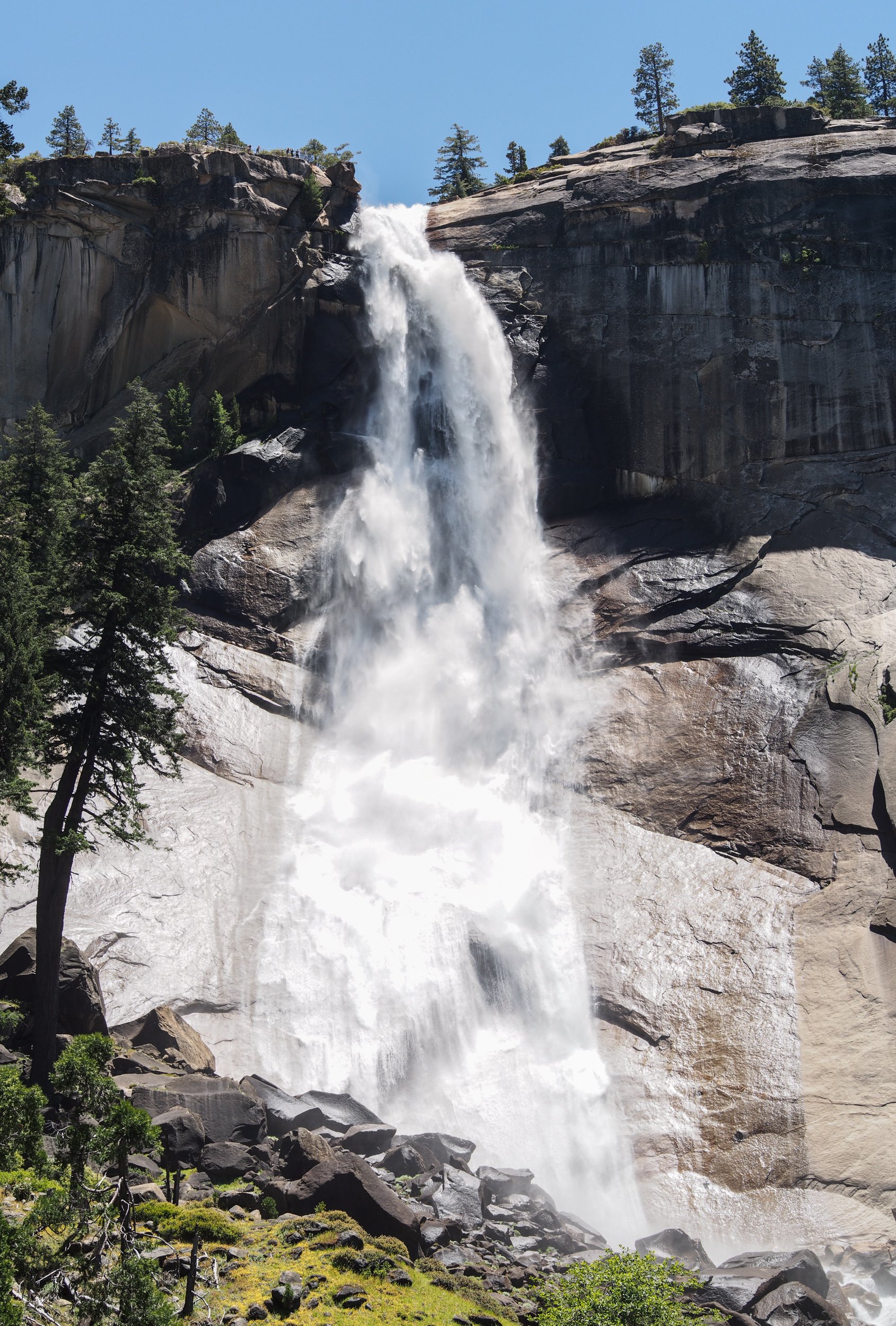
The lower of these waterfalls is Vernal Fall. The top can be reached via the famous Mist Trail, which we hiked in 1968, 1995 and 2013. The picture is from the footbridge over the Merced River, in 1995. The upper fall, Nevada Fall, was photographed in 2013.